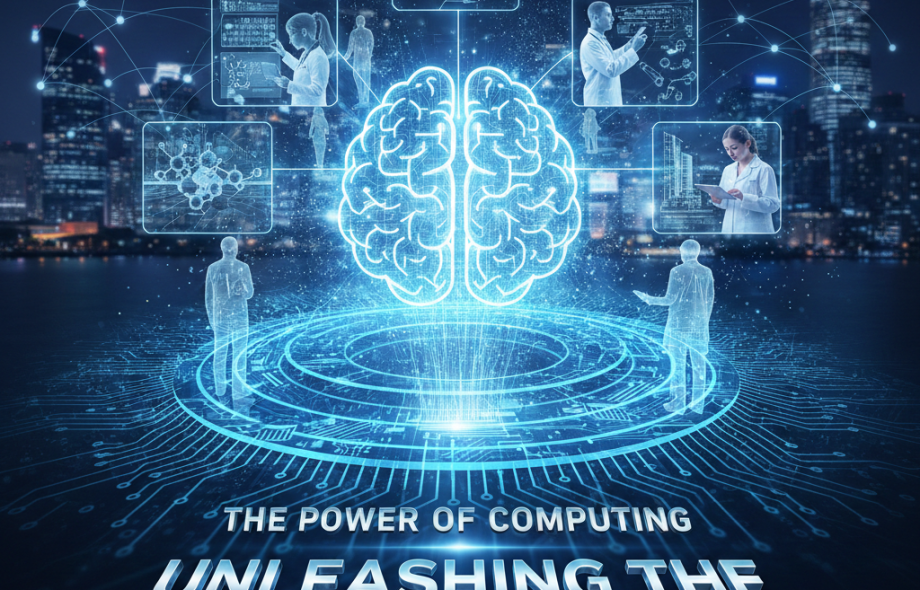
Computing power has long been a driving force behind technological advancements, and in today’s fast-paced world, its significance is more pronounced than ever. As we witness a rapid evolution in computing capabilities, it is crucial to understand the implications and opportunities that come with this surge in power.
One of the key advancements in computing power is the emergence of high-performance computing (HPC) systems. These systems are able to process massive amounts of data at incredibly high speeds, enabling researchers, scientists, and businesses to tackle complex problems with unprecedented efficiency. From weather forecasting to drug discovery, the applications of HPC are vast and varied, pushing the boundaries of what was once thought possible.
Another trend that is shaping the future of computing power is the rise of quantum computing. Unlike traditional computers that rely on bits for processing information, quantum computers use quantum bits (or qubits) to perform calculations. This enables quantum computers to solve problems that are currently beyond the reach of classical computers, such as simulating complex molecular structures or optimizing supply chains. As companies like IBM, Google, and Microsoft invest in quantum computing research, the potential for groundbreaking discoveries and advancements is immense.
In addition to HPC and quantum computing, the advent of artificial intelligence (AI) has also contributed to a significant increase in computing power. AI algorithms require significant computational resources to analyze and learn from vast amounts of data, leading to the development of specialized hardware such as graphics processing units (GPUs) and tensor processing units (TPUs). These advancements have paved the way for applications like machine learning, natural language processing, and computer vision, revolutionizing industries ranging from healthcare to finance.
As computing power continues to accelerate, it is important to consider the implications for both society and the environment. The energy consumption of high-performance computing systems and data centers has raised concerns about carbon footprints and sustainability. Efforts are underway to develop more energy-efficient computing technologies, such as neuromorphic computing and photonic computing, to address these challenges and minimize the environmental impact of computing power.
In conclusion, the surge in computing power presents a world of possibilities for innovation and discovery. From HPC to quantum computing to AI, the opportunities to push the boundaries of technology are endless. By harnessing the power of computing responsibly and sustainably, we can unlock new frontiers and shape a brighter future for generations to come.
 :
https://www.pinterest.com/xceltec0192/
:
https://www.pinterest.com/xceltec0192/