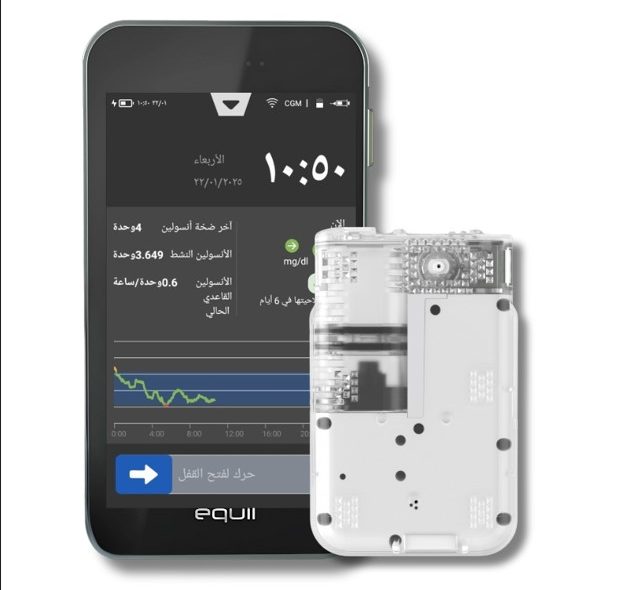
For people living with diabetes, managing blood glucose levels effectively is a daily commitment. While traditional methods like insulin injections and continuous glucose monitoring (CGM) have been used for decades, innovations like tubeless insulin pumps are transforming how individuals with diabetes manage their condition. These devices offer a more seamless, efficient, and comfortable way to deliver insulin, but they come with a cost.
At Aidex CGM, we believe in providing transparent pricing information and helping you understand the true cost of a tubeless insulin pump, so you can make an informed decision about your diabetes care. In this article, we’ll dive into what influences tubeless insulin pump price, how much you can expect to pay, and the factors that should guide your decision-making.
What is a Tubeless Insulin Pump?
A tubeless insulin pump is a small, wearable device that continuously delivers insulin without the need for external tubing. Unlike traditional insulin pumps that connect via tubing, tubeless pumps are fully self-contained and consist of a small patch that adheres to the skin. The patch holds the insulin reservoir, pump mechanism, and cannula (the needle that delivers insulin under the skin).
The main advantage of a tubeless insulin pump is its ability to provide continuous insulin delivery (basal insulin) throughout the day, and it also allows users to administer bolus doses when needed, such as before meals or to correct high blood glucose levels. These pumps provide greater flexibility and freedom compared to traditional injection methods, and they help maintain more stable blood sugar levels by delivering a consistent stream of insulin.
How Much Does a Tubeless Insulin Pump Cost?
When considering a tubeless insulin pump, it’s essential to understand the full cost, including the initial price of the pump, ongoing expenses for consumables, and any financial assistance available through insurance or programs.
1. Initial Price of the Tubeless Insulin Pump
The upfront cost of a tubeless insulin pump can range from USD $4,000 to $6,500. This cost typically includes the pump itself, the remote control (or smartphone app) for controlling the pump, and any other required accessories for its operation. However, this price does not include the consumables such as insulin pods, insulin, or other necessary supplies. These additional costs are an ongoing expense and should be considered when calculating the total cost of the device.
More advanced models or systems that integrate with CGM technology or offer automated insulin delivery may cost more due to the added technology. These systems are designed to improve blood glucose control by adjusting insulin delivery based on real-time glucose data, but the added functionality can raise the price.
2. Ongoing Costs: Pods, Insulin, and Supplies
The main recurring cost associated with tubeless insulin pumps is the cost of the insulin pods, which are used to deliver insulin. Each pod typically lasts 2-3 days before it needs to be replaced. A box of 10 pods usually costs between USD $700 and $800, and users will need to replace their pods regularly.
If you’re using a new pod every 2–3 days, the total annual cost for insulin pods will be around USD $7,000 to $9,600. This is the most significant ongoing expense you’ll face with a tubeless insulin pump, and it’s important to factor this into your budget when considering whether this technology is right for you.
In addition to the pods, there’s also the cost of insulin, which will be required to fill the pump’s reservoir. Insulin costs can range from USD $300 to $500 per month, depending on the type of insulin and the amount needed.
3. CGM Sensors and Related Costs
If you choose to pair your tubeless insulin pump with a Continuous Glucose Monitoring (CGM) system, there will be additional costs. CGM systems provide real-time data on blood glucose levels, which helps make insulin delivery more precise and responsive. This integration creates a “closed-loop” system, where the insulin pump automatically adjusts insulin delivery based on glucose trends.
The cost of CGM sensors typically ranges from USD $500 to $1,000 per year, depending on the frequency of sensor replacements and the brand used. If you rely on CGM for glucose monitoring, this is an additional expense to consider.
4. Insurance Coverage and Financial Assistance
One of the most significant factors that affect the tubeless insulin pump price is whether or not you have insurance coverage. Many insurance plans cover insulin pumps and associated supplies, but the level of coverage varies. Some plans cover the full cost of the device, while others may require a copay or deductible.
If you have insurance, your out-of-pocket costs for a tubeless insulin pump could be reduced significantly. In many cases, the copay for the pump can range from USD $100 to $1,500, depending on the type of coverage and whether you meet your deductible. You’ll also need to verify what’s covered regarding consumables like insulin pods, insulin, and CGM sensors, as these costs can add up quickly.
For those without insurance or with inadequate coverage, some manufacturers or third-party organizations offer financial assistance programs that help reduce the overall cost. These programs may offer discounts, subsidies, or payment plans to help make tubeless insulin pumps more affordable.
Factors That Influence Tubeless Insulin Pump Price
Several factors contribute to the overall cost of tubeless insulin pumps:
1. Brand and Model
Different brands and models of tubeless insulin pumps vary in price, with more advanced systems offering additional features such as CGM integration, automated insulin delivery, or mobile app connectivity. These advanced features provide greater convenience and control over insulin delivery but may increase the price of the device.
2. Insurance Coverage
Your insurance coverage plays a significant role in determining how much you’ll pay out-of-pocket for a tubeless insulin pump. Many insurance companies will cover the cost of the device, but the amount covered depends on the plan. Some plans may require copayments or only cover part of the total cost, while others may have more comprehensive coverage for diabetes management devices.
3. Frequency of Consumable Replacements
The ongoing cost of consumables—especially insulin pods—is one of the most significant factors affecting the total cost of owning a tubeless insulin pump. With a pod typically lasting only 2-3 days, these recurring costs add up quickly. It’s essential to factor in the cost of consumables when budgeting for your diabetes care.
4. Technological Features
Some tubeless insulin pumps come equipped with more advanced technology, such as integration with CGM systems or advanced algorithms for automatic insulin adjustments. These pumps tend to be more expensive due to the added functionality. However, the integration with CGM can provide significant benefits in terms of blood glucose control, potentially reducing long-term diabetes complications.
Why Choose a Tubeless Insulin Pump?
Despite the upfront and ongoing costs, tubeless insulin pumps offer a number of benefits that make them a worthwhile investment for many people with diabetes:
1. Continuous, Precise Insulin Delivery
The main advantage of tubeless insulin pumps is their ability to provide continuous insulin delivery, mimicking the natural function of a healthy pancreas. This continuous delivery helps keep blood glucose levels stable, reducing the risk of extreme blood sugar fluctuations that can lead to complications.
2. Fewer Injections
With tubeless insulin pumps, you significantly reduce the need for multiple daily insulin injections. The device delivers both basal and bolus insulin, allowing you to manage your insulin needs without the constant need for injections.
3. Greater Flexibility and Freedom
Tubeless insulin pumps provide greater freedom and flexibility in managing your diabetes. You can adjust insulin delivery based on real-time data from a CGM or change your insulin doses easily based on your activities or food intake. The ability to make quick adjustments ensures that your diabetes management fits with your lifestyle, not the other way around.
4. Improved Blood Glucose Control
By providing continuous insulin delivery and enabling real-time adjustments, tubeless insulin pumps help individuals maintain more stable blood glucose levels. This improved control leads to a lower risk of complications like nerve damage, cardiovascular problems, and vision loss.
Why Choose Aidex CGM for Tubeless Insulin Pumps?
At Aidex CGM, we offer tubeless insulin pumps that are designed to fit seamlessly into your lifestyle while providing precise, continuous insulin delivery. Our devices are equipped with advanced features, including CGM integration, which ensures that your insulin delivery is automatically adjusted based on your real-time glucose data.
We are committed to providing affordable, effective diabetes management solutions, which is why we offer transparent pricing and help our customers navigate insurance coverage and payment options.
Visit https://aidexcgm.com/
to learn more about our tubeless insulin pumps and explore how they can enhance your diabetes care.
Conclusion
The tubeless insulin pump price is an important consideration when deciding whether this technology is right for you. While the initial cost can be significant, the long-term benefits—improved blood glucose control, fewer injections, and greater flexibility—make it a worthwhile investment for many people living with diabetes. By understanding the full range of costs and how they can be managed, you can make an informed decision that best supports your health and lifestyle.
At Aidex CGM, we provide cutting-edge technology that helps you take control of your diabetes care. Our tubeless insulin pumps offer the latest in insulin delivery innovation, providing better control and flexibility. Start your journey toward easier, more effective diabetes management today by exploring our products.
 :
: