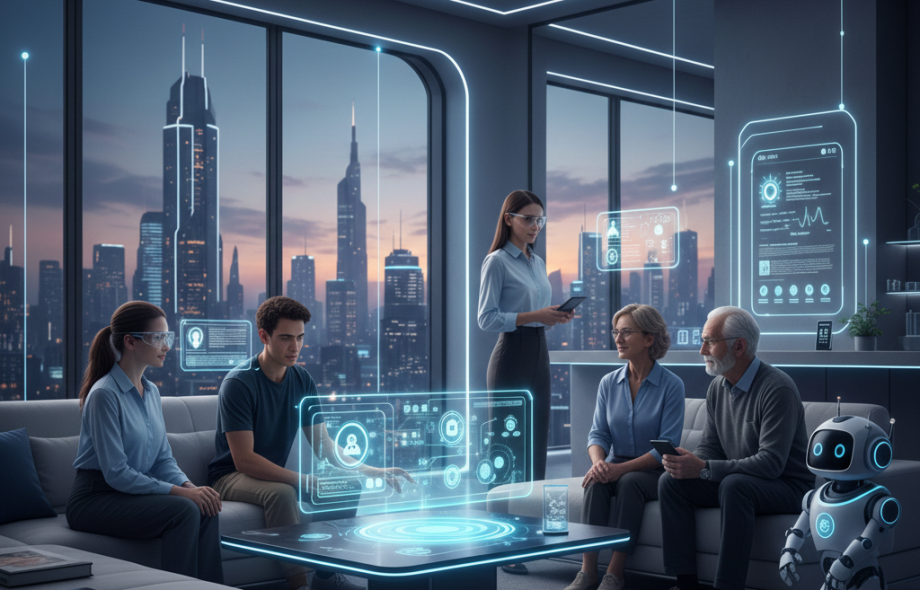
Smart devices have become an integral part of our daily lives, with everything from our phones to our homes becoming increasingly intelligent. The latest trend in technology is the development of smart(er) devices that not only perform their traditional functions but also adapt and learn from user behavior.
One of the key aspects of smart(er) devices is their ability to connect to the internet and other devices, creating an interconnected network of gadgets that work together seamlessly. This connectivity allows for a level of automation and control that was previously unimaginable. For example, smart homes can now adjust lighting, temperature, and security systems based on our preferences and habits.
Artificial intelligence (AI) plays a crucial role in making devices smarter. By analyzing data and predicting user behavior, AI algorithms can tailor the device’s functionality to suit individual needs. This personalized experience enhances user satisfaction and efficiency, as the device learns to anticipate and meet the user’s requirements.
Another significant development in smart(er) devices is the integration of voice assistants like Amazon’s Alexa and Google Assistant. These virtual helpers can perform a wide range of tasks, from setting reminders to controlling other smart devices in the home. Voice-controlled interfaces have made interacting with devices more intuitive and natural, leading to a more seamless user experience.
The proliferation of smart(er) devices extends beyond the home, with industries like healthcare, transportation, and retail leveraging this technology to improve efficiency and customer service. For instance, wearable devices can monitor health metrics in real-time and alert users to potential health issues, while smart cars can navigate traffic and parking with precision.
As smart devices become more prevalent, concerns about privacy and security have also come to the forefront. The sheer amount of data collected by these devices raises questions about who has access to this information and how it is being used. Manufacturers and developers must prioritize data protection and transparency to ensure users’ trust in these innovative technologies.
In conclusion, the trend of smart(er) devices is revolutionizing the way we interact with technology and shaping the future of interconnected devices. With AI, connectivity, and voice assistants driving this evolution, the possibilities for innovation are endless, offering a glimpse into a more automated and personalized future.
 :
https://in.pinterest.com/umanologicinc/
:
https://in.pinterest.com/umanologicinc/