


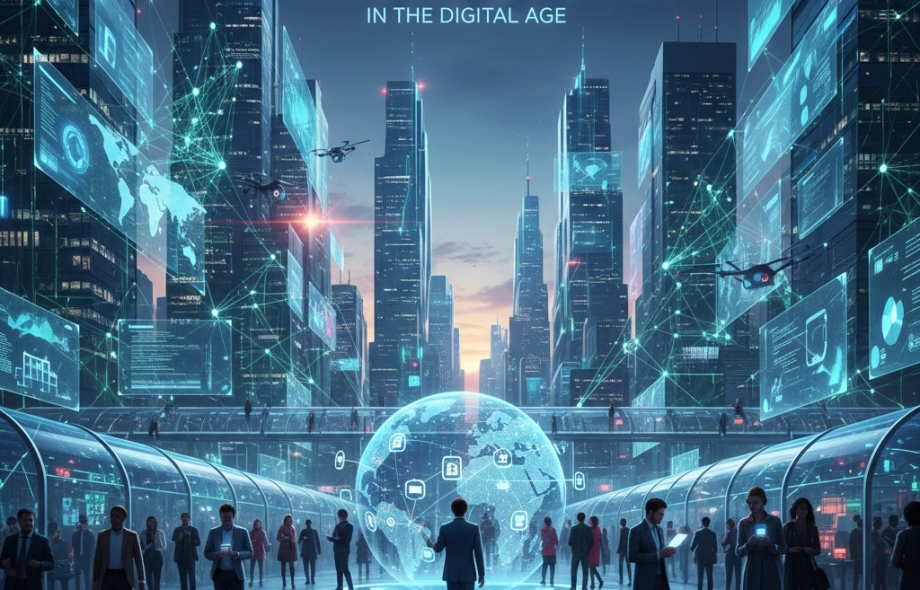
In today’s fast-paced digital world, the Internet of Things (IoT) and hyperconnectivity have become buzzwords that are shaping the way we live and work. IoT refers to the network of interconnected devices, sensors, and software that collect and exchange data to make our lives more convenient and efficient. On the other hand, hyperconnectivity refers to the increasing interconnectedness of people, devices, and systems through the internet. Together, these two trends are revolutionizing industries and transforming the way we interact with technology.
One of the key drivers of IoT and hyperconnectivity is the advancement of technology. The proliferation of smart devices such as smartphones, tablets, and wearables has created a seamless ecosystem where our devices are constantly communicating and sharing information with each other. This has led to the development of smart homes, smart cities, and smart industries that are more efficient, sustainable, and interconnected than ever before.
Another factor fueling the growth of IoT and hyperconnectivity is the rise of cloud computing and big data analytics. These technologies allow us to store, process, and analyze massive amounts of data generated by IoT devices in real-time. This data can then be used to make informed decisions, optimize processes, and improve the overall customer experience. For example, businesses can use IoT sensors to track the performance of their products, monitor supply chains, and predict maintenance issues before they occur.
The impact of IoT and hyperconnectivity is not limited to the business world. These technologies are also revolutionizing healthcare, transportation, agriculture, and even our daily lives. In healthcare, IoT devices are being used to monitor patients remotely, track medication adherence, and provide personalized treatment plans. In transportation, connected vehicles are improving road safety, reducing traffic congestion, and optimizing fuel consumption. In agriculture, IoT sensors are helping farmers monitor soil conditions, track weather patterns, and increase crop yields.
As IoT and hyperconnectivity continue to evolve, so do the challenges and opportunities they bring. Cybersecurity is a major concern, as the more devices that are connected, the more vulnerable we become to cyber attacks and data breaches. Privacy is also a growing issue, as the vast amount of data collected by IoT devices raises questions about who has access to it and how it is being used.
In conclusion, the rise of IoT and hyperconnectivity is reshaping the way we live, work, and interact with technology. By leveraging the power of interconnected devices, cloud computing, and big data analytics, we can unlock new possibilities and create a more connected and efficient world. As we navigate the challenges and opportunities that come with this digital transformation, it is important to prioritize security, privacy, and ethical considerations to ensure that these technologies benefit us all.
 :
https://in.pinterest.com/panoramicinfotech/
:
https://in.pinterest.com/panoramicinfotech/









