


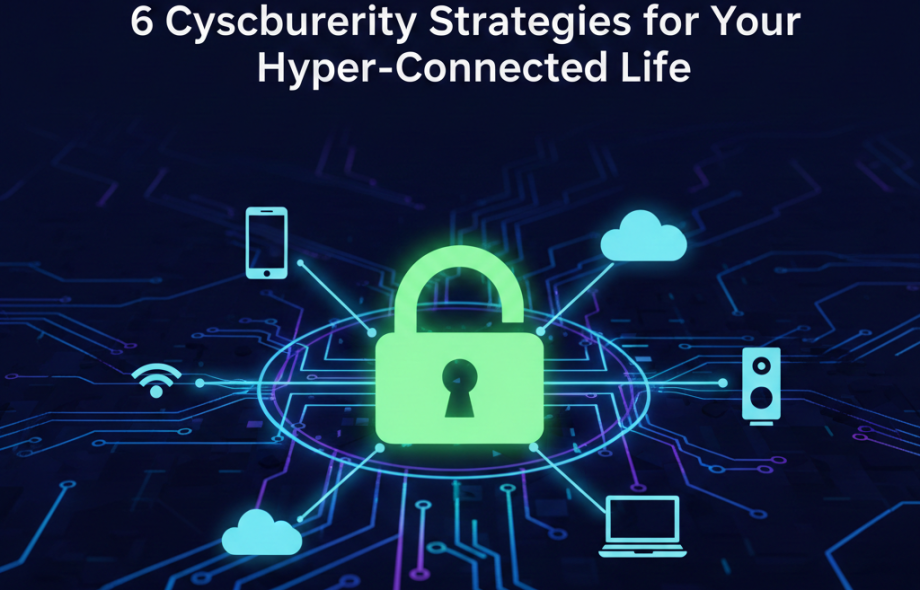
Digital life runs on data. Every message, every transaction, and every login creates information; hence, attackers hunt for ways to steal it. At Best Tech Blog, our content of interest is practical security knowledge that protects both the user and the business entity. Encryption stands at the center of modern Cybersecurity and plays a vital role in defending Data Privacy against growing Cyber Threats.
Without encryption, data simply stays naked. Any person who has access can read it, copy it, or misuse it. Therefore, encryption plays a critical shielding role in the digital world.
What Encryption Really Means
Encryption transforms readable information into unreadable code. Only authorized parties can unlock it with the correct key. Consequently, stolen data becomes useless to attackers.
It protects the data through storage and transmission. Emails, cloud files, and online payments are all using it day-to-day. Without encryption, digital trust collapses.
Encryption does not stifle innovation. Rather, it allows for growth to occur safely.
Why Encryption Matters More Than Ever
Cyber attacks are growing day by day and year after year. These hackers attack from the corporate world to governments, and even to individual persons. Thus, their safety strategies must be upgraded at all times.
Data is crossing the networks all the time: it is flowing from one server to another, from one device to another, and even from application to application. Every step of the way, attackers attempt to intercept it. Encryption blocks these attempts.
But strong encryption also facilitates compliance. Many data protection laws demand it. Encryption accordingly covers security and legality alike.
Encryption Safeguards Data Privacy
Data privacy depends on control. Users expect their personal information to remain confidential. Encryption enforces that promise.
Even if attackers manage to breach a system, encryption limits the damage. To the attacker, encrypted files are unreadable without keys. Thus, privacy remains intact.
This protection builds trust. Users feel that it is safer to share data. Businesses will benefit from better relationships.
Role of Encryption in Cybersecurity Defense
Encryption enhances cybersecurity at all levels: it secures endpoints, networks, and the cloud.
Think of security layers, for example: HTTPS encrypts website traffic, VPNs encrypt remote connections, and disk encryption secures stored files. With each additional layer, exposure decreases.
Combined, these protections provide a formidable defense against all types of cyber threats.
Encryption and Secure Communication
Communication is the lifeline of modern work. From emails and video calls to messaging apps, sensitive information travels across the wires.
Encryption ensures that private conversations remain private. Third-party access is barred by end-to-end encryption; thus, only the intended recipients can read messages.
This is protection that proves essential for journalists, businesses, and the everyday user alike.
Encrypting Financial Transactions
Encryption keeps online payments secure. The nature of the transaction dictates the ‘journey’ that credit card details have to make across the networks.
This makes encryption protect this data from interception. Advanced cryptographic standards are used in payment gateways. Thus, financial fraud becomes more difficult.
If it weren’t for encryption, online commerce would simply fail. People have to know that transactions are secure in order for trust to exist.
Cloud Security Encryption
Cloud platforms contain huge volumes of data. These include personal records, business secrets, and intellectual property.
Encryption protects cloud-stored data from unauthorized access and secures data in transit between services.
But responsibility counts: Businesses have to handle encryption keys responsibly. Strong key management means long-lasting protection.
Encryption Helps Defend against Data Breaches
Data breaches are happening notwithstanding all best efforts. However, encryption limits their impact.
Stolen data remains unreadable; hence, the attackers cannot easily exploit it. Therefore, encryption reduces financial and reputational damage.
This fact is underlined by many breach reports. Encrypted data often evades disclosure requirements.
Key Management – Importance
Encryption depends on keys: poor key management reduces protection.
Organizations must securely store the keys, regularly rotate them, and limit any access.
Strong key practices ensure that encryption operates as it should.
Encryption and Compliance with Regulations
Governments impose strict data protection laws. Regulations such as GDPR and HIPAA require competent security controls.
Encryption helps to fill this need. It shields personal and sensitive information by its very design.
Compliance reduces legal risk. It also sends a signal of responsibility and professionalism.
Encryption in Mobile and IoT Devices
Smartphones and IoT devices continuously collect personal data of individuals. Location data, health data, and behavior flow through these devices.
This information is protected from misuse by encryption. The devices used are secure to avoid unauthorized tracking and spying.
Without encryption, the private lives of connected devices are left open.
Adoption Challenges in Encryption
Encryption requires planning; poor implementations have introduced holes.
Some systems use very outdated algorithms, while others store keys very insecurely. Consequently, regular updates matter.
Encryption nonetheless remains indispensable, despite challenges. Most challenges can be overcome by an appropriate strategy.
Encryption and Zero Trust Security
Zero trust models do not take implicit trust for granted. Every request has to be verified.
Encryption supports this approach by ensuring that data remains protected even within networks.
Encryption becomes even more important as zero trust adoption grows.
Future of Encryption in Cybersecurity
Technology changes very fast. Quantum computing opens completely new perspectives. Future systems could break present encryption methods.
Therefore, researchers develop quantum-resistant algorithms. Businesses must prepare early.
Encryption will evolve and improve. It will continue to be one of the keystones of cybersecurity.
Why Businesses Can’t Afford to Ignore Encryption
Businesses store customer information, employee records, and financial information; hence, encryption becomes non-negotiable.
Strong encryption protects brand reputation. It also prevents costly incidents.
Customers appreciate security efforts; they repay responsible companies with brand loyalty.
Why People Should Care About Encryption
Encryption does not only protect corporations. It protects people.
Encryption protects the integrity of the personal messages, photos, and accounts with which people trust apps and services daily. Choosing secure apps and services matters.
Encryption is something that users who care about privacy should be demanding.
Final Thoughts
Encryption plays a major role in modern cybersecurity. This is done to protect data privacy and reduce cyber threats. In their absence, digital systems are pretty vulnerable. Strong encryption engenders trust, compliance, and resilience. However, we at Best Tech Blog believe encryption empowers safer digital experiences for one and all. In the face of most cyber threats, encryption is one of the highest levels of defense. Those who invest in it today will protect their data tomorrow.
Also Read: https://insidetechie.blog/
 :
https://www.pinterest.com/besttechblog/
:
https://www.pinterest.com/besttechblog/









