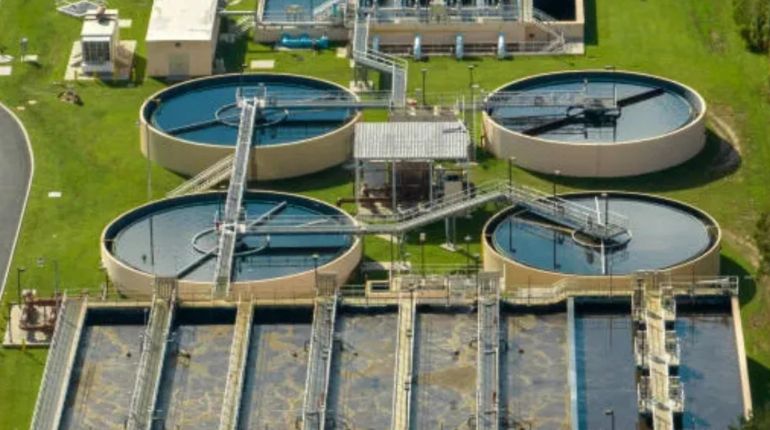
Rapid urbanization, industrial growth, and rising population levels have significantly increased wastewater generation across India. Managing sewage responsibly is no longer a choice—it is a necessity for environmental protection, public health, and sustainable development. Sewage Treatment Plants (STPs) play a vital role in treating domestic and industrial wastewater, ensuring that discharged water meets regulatory standards and can be safely reused or released into natural water bodies. Indian Trade Bird serves as a trusted platform connecting buyers with reliable manufacturers and suppliers of sewage treatment plants across India.
Understanding how STPs work, their treatment processes, and their applications helps industries, municipalities, and commercial establishments make informed decisions when investing in wastewater management solutions.
Importance of Sewage Treatment Plants in India
Sewage Treatment Plants are designed to remove contaminants, organic matter, and harmful pathogens from wastewater. With increasing pressure on freshwater resources, treated sewage water is now widely reused for landscaping, cooling, flushing, and industrial applications.
Key Reasons STPs Are Essential in India:
- Protection of rivers, lakes, and groundwater
- Prevention of waterborne diseases
- Compliance with CPCB and SPCB regulations
- Reuse of treated water to conserve resources
- Support for sustainable urban infrastructure
STPs contribute directly to environmental responsibility and long-term water security.
Overview of Sewage Treatment Plant Processes
Sewage treatment involves multiple stages designed to progressively remove solids, organic pollutants, and microorganisms. Modern STPs in India are engineered for efficiency, reliability, and regulatory compliance.
Primary Treatment Process
Primary treatment focuses on the removal of large solids and suspended particles through physical separation.
Key Components Include:
- Screening chambers
- Grit removal units
- Primary settling tanks
This stage reduces the load on subsequent biological treatment processes.
Secondary Treatment Process
Secondary treatment is the core biological process where organic matter is broken down using microorganisms.
Common Secondary Treatment Technologies:
- Activated Sludge Process (ASP)
- Moving Bed Biofilm Reactor (MBBR)
- Sequencing Batch Reactor (SBR)
- Extended Aeration Systems
These processes significantly reduce BOD (Biochemical Oxygen Demand) and COD (Chemical Oxygen Demand), ensuring treated water meets discharge norms.
Tertiary Treatment Process
Tertiary treatment enhances water quality by removing remaining impurities and pathogens.
Advanced Treatment Methods Include:
- Sand and carbon filtration
- Ultrafiltration and membrane systems
- UV disinfection
- Chlorination
This stage enables water reuse for non-potable and industrial purposes.
Types of Sewage Treatment Plants in India
STPs are designed based on capacity, application, and site requirements. Indian Trade Bird lists a wide range of STP solutions suitable for diverse sectors.
Common STP Types Include:
- Packaged sewage treatment plants
- Modular STPs
- Industrial sewage treatment plants
- Residential and commercial STPs
- Containerized sewage treatment units
Each system is tailored to meet specific wastewater characteristics and regulatory needs.
Applications of Sewage Treatment Plants
Sewage treatment plants are widely used across multiple sectors to manage wastewater efficiently.
Municipal Applications
Urban local bodies rely on large-capacity STPs to treat domestic sewage generated from residential areas, protecting public health and the environment.
Industrial Applications
Industries generate complex wastewater that requires advanced treatment solutions.
Industries Using STPs Include:
- Pharmaceuticals
- Food and beverage processing
- Textiles and dyeing units
- Chemical manufacturing
- Power plants
STPs help industries meet environmental compliance while enabling water reuse.
Commercial & Residential Applications
Commercial buildings and housing societies install STPs to manage daily wastewater.
Common Installations Include:
- Hotels and resorts
- Hospitals and healthcare facilities
- IT parks and office complexes
- Shopping malls and airports
- Gated residential communities
These systems reduce water consumption and operational costs.
Key Advantages of Modern Sewage Treatment Plants
Advanced STP technologies offer multiple operational and environmental benefits.
Major Benefits Include:
- Efficient removal of pollutants
- Reduced freshwater dependency
- Lower environmental impact
- Compact and modular designs
- Automation and low maintenance
- Long operational life
Modern STPs are designed to operate reliably even under varying load conditions.
Regulatory Compliance and Environmental Standards
In India, sewage treatment plants must comply with environmental regulations laid down by CPCB, SPCB, and local authorities. Treated water parameters such as BOD, COD, TSS, and fecal coliform levels must remain within permissible limits.
Indian Trade Bird helps buyers identify manufacturers whose systems are engineered to meet regulatory norms, ensuring hassle-free approvals and inspections.
Choosing the Right Sewage Treatment Plant Supplier
Selecting the right STP supplier is crucial for long-term performance and compliance.
Key Factors to Consider:
- Proven manufacturing expertise
- Compliance with Indian environmental standards
- Customization capabilities
- After-sales service and support
- Availability of spare parts
- Energy-efficient designs
Indian Trade Bird simplifies this process by connecting buyers with verified and trusted STP manufacturers across India.
Indian Trade Bird: Your Gateway to Trusted STP Manufacturers
Indian Trade Bird serves as a reliable B2B platform that brings together top manufacturers, suppliers, and exporters of Sewage Treatment Plants in India. The platform enables businesses, contractors, and consultants to compare products, evaluate suppliers, and source cost-effective wastewater treatment solutions.
By offering access to multiple vendors under one platform, Indian Trade Bird supports informed purchasing decisions and streamlined procurement.
Driving Sustainable Water Management in India
Sewage treatment plants are a cornerstone of sustainable infrastructure development in India. From municipalities to industries and residential complexes, STPs ensure wastewater is treated responsibly while enabling water reuse and environmental protection. With evolving regulations and increasing water scarcity, investing in efficient sewage treatment solutions is essential for future-ready operations.
Indian Trade Bird continues to support this mission by connecting buyers with reliable sewage treatment plant manufacturers who deliver quality, compliance, and performance.
If you are planning to install or upgrade a sewage treatment plant, explore trusted Sewage Treatment Plant manufacturers in India through Indian Trade Bird.
Connect with verified suppliers, compare advanced STP solutions, and invest in reliable wastewater management systems today.
Visit Indian Trade Bird now to find the right sewage treatment solution for your project.
For more info: https://www.indiantradebird.com/
Email id: info@indiantradebird.com
Phone: +91 8511142701
Location: Ahmedabad, Gujarat (India)
 :
https://www.indiantradebird.com/
:
https://www.indiantradebird.com/