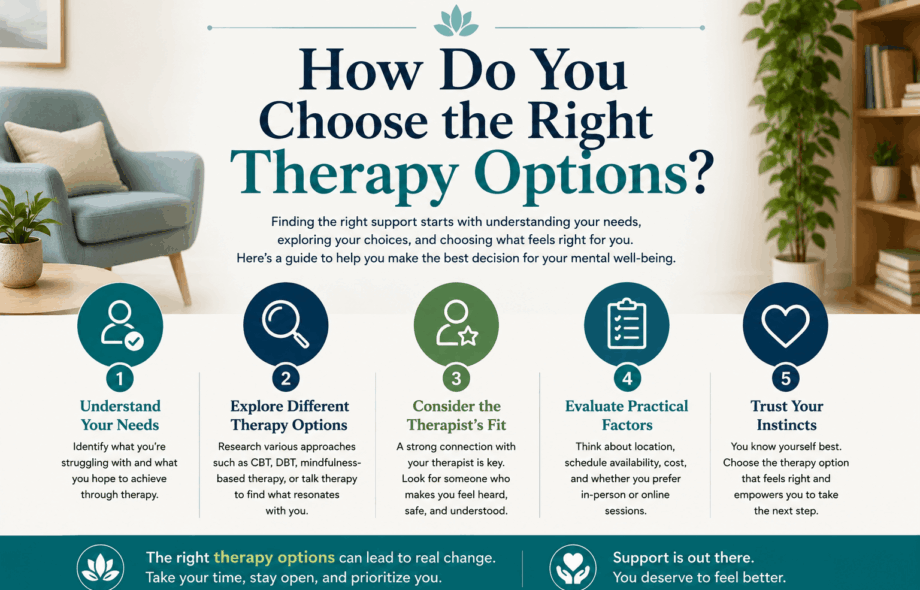
Finding the right path toward better mental health is an important decision. With so many therapy options available today, it can feel overwhelming to determine which approach best fits your needs. Every individual experiences emotional and psychological challenges differently, which is why choosing the most appropriate treatment requires careful consideration of personal goals, symptoms, and professional guidance.
At Boston Neurobehavioral Associates, we understand that no two mental health journeys are alike. Whether you’re managing anxiety, depression, trauma, ADHD, stress, or relationship difficulties, exploring the right therapy options can make a significant difference in your overall well-being and quality of life.
Why Choosing the Right Therapy Matters
Mental health treatment is not one-size-fits-all. Different therapeutic approaches are designed to address specific conditions, personality types, and treatment goals. Selecting the right therapy options helps improve treatment outcomes, encourages long-term progress, and provides practical strategies for handling life’s challenges.
The right therapy can help you:
Understand your emotions and behaviors.
Develop healthier coping strategies.
Improve relationships and communication.
Reduce symptoms of anxiety, depression, and stress.
Build confidence and emotional resilience.
Achieve personal growth and lasting mental wellness.
Understand Your Mental Health Needs
Before exploring various therapy options, take time to identify your primary concerns. Ask yourself questions such as:
What symptoms am I experiencing?
How long have these challenges affected my daily life?
What goals do I hope to accomplish through therapy?
Have I tried counseling or therapy before?
Being honest about your emotional and psychological needs allows mental health professionals to recommend the most effective treatment plan.
Common Therapy Options Available
There are many evidence-based therapy options that mental health professionals use to treat different conditions. Understanding these approaches can help you feel more confident when making your decision.
Cognitive Behavioral Therapy (CBT)
CBT is one of the most widely recommended therapy options for anxiety, depression, OCD, and stress-related disorders. It focuses on identifying negative thought patterns and replacing them with healthier ways of thinking and behaving.
Dialectical Behavior Therapy (DBT)
DBT helps individuals improve emotional regulation, distress tolerance, interpersonal relationships, and mindfulness. It is particularly effective for people experiencing intense emotions or personality-related challenges.
Psychodynamic Therapy
This therapeutic approach explores how past experiences influence current thoughts, emotions, and behaviors. It helps individuals gain deeper self-awareness and resolve long-standing emotional conflicts.
Family Therapy
Family therapy strengthens communication between family members while addressing conflict, behavioral issues, and emotional concerns affecting the household.
Group Therapy
Group sessions allow individuals to connect with others facing similar challenges. Many people find support, encouragement, and practical coping strategies through shared experiences.
Consider Your Personal Preferences
Choosing among different therapy options isn’t only about the treatment method. Personal preferences also play a major role in successful therapy.
Consider factors such as:
Individual or group sessions
In-person or virtual appointments
Therapist’s communication style
Treatment frequency
Comfort level discussing personal experiences
Feeling comfortable with your therapist often contributes to stronger therapeutic outcomes.
Look for Qualified Mental Health Professionals
The effectiveness of any therapy options depends greatly on the expertise of the provider. Choose licensed professionals with experience treating your specific concerns.
A qualified therapist should:
Conduct a comprehensive evaluation.
Develop a personalized treatment plan.
Use evidence-based therapeutic techniques.
Monitor your progress regularly.
Adjust treatment strategies as your needs change.
Experienced providers understand that treatment may evolve over time to better support your recovery.
Ask Questions During Your First Appointment
Your initial consultation is an excellent opportunity to determine whether a therapist is the right fit. Don’t hesitate to ask questions about:
Their experience treating your condition.
Recommended therapy options.
Expected treatment timeline.
Session frequency.
Progress measurement methods.
Open communication helps establish trust and ensures you understand your treatment plan from the beginning.
Be Open to Adjusting Your Treatment
Sometimes the first approach may not provide the desired results immediately. Mental health treatment often requires flexibility. Your therapist may recommend combining different therapy options or modifying techniques based on your progress.
Successful therapy is an ongoing process that adapts to your changing needs rather than following a fixed path.
The Importance of Personalized Care
Personalized treatment plans often produce better long-term outcomes because they focus on the individual’s unique experiences, strengths, and goals. Rather than applying the same method to everyone, experienced clinicians evaluate multiple factors before recommending the most appropriate therapy options.
At Boston Neurobehavioral Associates, personalized mental health care is built around comprehensive assessments, evidence-based practices, and collaborative treatment planning. This individualized approach allows patients to receive care that aligns with both their current needs and future wellness goals.
When Should You Seek Therapy?
Many people wait until symptoms become severe before seeking help. However, early intervention often leads to better results.
Consider exploring professional therapy options if you experience:
Persistent anxiety or excessive worry.
Ongoing sadness or depression.
Difficulty managing stress.
Panic attacks.
Relationship conflicts.
Trauma-related symptoms.
Difficulty concentrating.
Emotional overwhelm affecting daily life.
Seeking support early can prevent symptoms from becoming more difficult to manage.
Conclusion
Choosing the right therapy options is an important step toward improving your mental health and overall quality of life. Every individual has unique challenges, goals, and experiences, making personalized care essential for successful treatment. By understanding your needs, learning about different therapeutic approaches, working with experienced professionals, and remaining open throughout the process, you can find a treatment plan that supports lasting emotional wellness.
At Boston Neurobehavioral Associates, compassionate, evidence-based care helps individuals navigate life’s challenges with confidence. The right therapy can empower you to build healthier coping skills, strengthen relationships, and create meaningful, long-term positive change.
 :
https://www.bostonneurobehavioral.com
:
https://www.bostonneurobehavioral.com