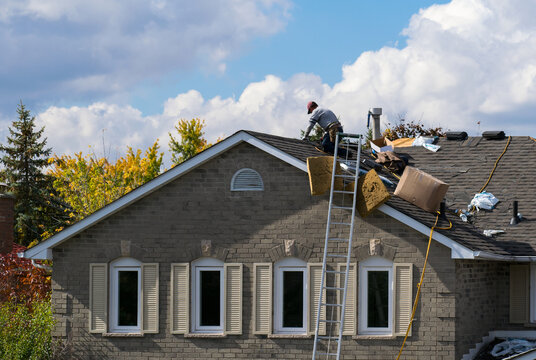
Emergency roof repair in Calgary stands for quick, secure repair for storm, wind, or ice damage throughout the city.
Angel’s Roofing brings over 25 years of experience on Calgary roofs, complete with expert-trained crews, premium materials, and sturdy safety protocols.
Our rapid response to your emergency roof repair keeps water out and your costs down with quick tarp, leak stop, and shingle or membrane patch.
Neighbourhood know-how for hail belts, chinook swings, and freeze-thaw cycles brings real value.
For transparent pricing and fast assistance, discover more or get a free quote now.
Your First Moves After a Storm
Your initial actions post-storm. Quick, composed action minimizes exposure and maximizes restoration for Calgary residences and commercial environments. Safety, proof of loss, and fast access to your insurer and emergency roofer are crucial.
Prioritize safety by avoiding downed power lines, unstable structures, and slippery surfaces before inspecting your roof.
Stay away from downed lines, leaning walls, loose soffits, and icy decks during and after chinook swings and spring blizzards. Avoid floodwaters because water and electricity can be fatal. Don’t go on the roof during storms or icy conditions.
From the ground, employ binoculars or a phone zoom. Inside, shut off power to wet areas if safe and barricade rooms with ceiling bulges. If ceiling tiles or drywall are sagging due to water, gently release the pressure and catch the runoff.
Document visible storm damage to your roof, shingles, gutters, and exteriors with photos for insurance claims and repair planning.
Take wide shots of every elevation, then close-ups of shingles, vents, skylights, gutters, fascia, and siding: record hail impacts, torn tabs, damaged flashings, and granule mounds by downspouts.
Capture interior signs: stains, blistered paint, drips, and wet insulation. Include timestamps and note when leaks began. Keep receipts for tarps, buckets, fans, and dehumidifiers—photograph before and after any stopgap repairs.
Check for signs of emergency roof repair needs, such as missing shingles, leaks, water stains on ceilings, or exposed roof deck.
Check for lifted or torn shingles, exposed underlayment or wood deck, loose ridge caps, torn membranes on flat roofs, and punctures from branches. If water is still coming in, relocate valuables, roll up rugs, and set buckets for drips.
Little tarp work or debris clearing is for the experienced and only when safe.
Contact your insurance company and a reputable Calgary emergency roof repair service promptly to report damages and initiate the repair process.
File the claim, send pictures, and inquire about coverage for temporary fixes. If hail occurs, schedule a professional inspection within 48 hours to document the impact and mitigate any additional concerns.
Contact a Calgary emergency roofer such as Angel’s Roofing for quick tarping, moisture inspections, and a written scope with pricing in CAD.
Assess Your Roof Damage
Safety first, then compile clean facts to inform next steps for Calgary’s weather and construction standards.
Perform a visual roof inspection from the ground using binoculars to spot missing shingles, torn flashing, or debris without risking injury.
Survey eaves, valleys, ridges, and penetrations from the sidewalk or yard. Look for missing or lifted shingles after chinook winds, torn or rusted flashing around chimneys and vents, exposed underlayment, and dark patches that indicate hail granule loss.
Check for tree limbs, ice dams at gutters, clogged downspouts, and dents on metal vents. Mark sagging lines across the roof plane. Don’t scale a ladder in wind, rain, or ice.
Identify urgent issues like active roof leaks, sagging roof sections, or damaged roof vents that require immediate attention.
If water is coming in, the structure is sagging, or there are hazards, take immediate action. Relocate valuables, tarp floors, turn off power around wet areas, and avoid floodwaters.
Common Calgary emergencies include hail-damaged decking, wind-torn shingles, split vents, or debris punctures. Even without visible leaks, hail should be inspected professionally within 48 hours to identify bruising, cracks, or hidden moisture channels.
Create a checklist with a comprehensive description to streamline communication with roofing contractors about observed damages.
Include location, severity, and photos: missing shingles on the north slope near the ridge with six to eight tabs, lifted shingles along eaves, torn flashing at the chimney, dented vents, clogged or bent gutters and downspouts, interior signs such as ceiling stains and peeling paint, and attic findings including wet insulation and daylight.
Include timing, such as the storm date, temporary actions taken, and risk notes. Keep your receipts, as insurers tend to absorb emergency expenses.
Schedule a thorough inspection by a qualified Calgary roofing contractor to uncover hidden problems and receive an accurate repair estimate.
Need a complete roof, attic, and drainage evaluation along with moisture readings. Expect transparent pricing for temporary work: tarps cost between $500 and $1,500, leak patching costs between $300 and $800 per point, and flashing repair costs between $300 and $600.
At an annual maintenance cost of $300 to $600, it helps you avoid emergency bills ranging from $2,000 to $5,000, as well as interior damage, mould, and premature replacement. Avoid climbing on the roof during storms or icy periods.
Contain the Immediate Threat
Immediate action to stanch the damage and secure the perimeter. In Calgary, it’s the storms, chinooks and freeze-thaw cycles that blow water under shingles and into attics. Temporary control keeps costs down until a crew can investigate and repair.
Temporary Cover to Stop Water
Cover the leak zone with a waterproof tarp or roofing tape. If safe, deploy a heavy-duty tarp over the suspected entry point, beyond the ridge and down the slope, and weigh edges with wood strips and screws into the decking, not into the rafters.
Immediately seal all storm-caused tears to low-slope roofs with peel-and-stick roofing tape along split seams, punctures, or flapping shingles. Contain the immediate danger. For ice damming, clear loose snow with a roof rake from the ground and lay a tarp from above the dam down to the eaves to shed meltwater.
Such measures avert additional harm from rain, wet snow, or ongoing thaw cycles.
Protect Interior and Reduce Loss
Keep buckets under ceiling drips. Poke a wee hole in a bulging ceiling to drain the water in a contained manner. Remove the furniture, rugs, and electronics from the wet zone.
Protect immovable items with plastic sheeting or an extra tarp. Use towels to wick water from floors and baseboards. Take pictures of all locations and save receipts. Fast action in this area will save thousands and expedite insurance claims.
Safety First: Electrical and Structural
Turn off the power at the breaker to rooms where water is close to outlets, lights, or fixtures. Keep away if you observe sagging decking, major missing roof sections, downed or touching power lines, or apparent structural cracks.
These warrant emergency service. True emergencies often receive a response within 1 to 4 hours, urgent calls in 4 to 12 hours, and non-urgent calls in 24 to 48 hours. Assume emergency tarping will cost $500 to $1,500, and temporary patching will cost $300 to $800, depending on access, pitch, and weather.
- Press the edges of the roofing tape together and roll to seal.
- Add wood strips over tarp edges; screw into the decking.
- Weight the tarp midspan to prevent wind lift during chinook gusts.
- Clear gutters/downspouts to open drain paths at eaves.
- Check flashing at chimneys, vents, and valleys for gaps.
- Photograph new leaks or shifts after each weather change.
Finding Emergency Roof Repair in Calgary
Emergency roof repair Calgary begins with quickness and evidence. With the city’s hailstorms, chinooks and quick freeze-thaw cycles, shingles, flashing, and eaves are put to the test. Sudden leaks or loose materials can quickly become safety hazards or electrical issues.
If water is coming in, you can see structural damage, or you have gutter overflow and meltwater threatening your foundation, call a 24/7 local roofer and ask straight questions.
What to Look for in a 24/7 Emergency Service
Look for Calgary roofing companies that answer 24/7 phones and can send a crew the same day. Verify they deal with storm and hail claims frequently and understand the local construction code and insurance processes.
Insist on a provisional weatherproofing strategy at the initial visit, such as tarping, sealing, or shoring, and a scheduled return for permanent repairs. Calgary’s weather demands immediate securing to prevent it from getting worse in the wind or overnight freeze.
Why Licensing, Insurance, and Local Proof Matter
Select a certified, insured contractor with a Calgary address, WCB coverage, and fresh storm references in areas like Mahogany, Tuscany, and Evergreen. This protects you from storm chasers, cash-only needs, hard sell, and no-warranty walkaways.
A trusted contractor will provide certificates, supply written scopes, and document roof conditions with claimable photos.
Key Criteria to Evaluate
- 24/7 local dispatch and live phone support
- Active City of Calgary business license and WCB coverage
- Liability and auto insurance; insurance adjuster relationships
- Proven hail and storm repair portfolio, with references
- Emergency tarping on arrival; clear plan for permanent repairs
- Written estimate, photos, and itemized scope
- No high‑pressure sales; regular payment terms (not cash‑only)
- Local shop, branded fleet, and stocked materials for standard shingles.
- Warranty details in writing for labour and materials
How to Reduce Emergencies and Costs
Schedule seasonal roof inspections each spring and fall to detect loose shingles, cracked flashing, ice-dam damage, and eavestrough issues. Preventive service typically costs between $300 and $600, while emergency repairs can range from $2,000 to over $5,000.
Understanding Emergency Repair Costs
Emergency roof repair in Calgary can vary in price depending on the extent of damage, the age, and design of the roof. Costs increase with bigger footprints, steep pitches, tricky valleys, and the designer materials typical around here—laminate shingles, SBS-modified bitumen, or standing-seam metal.
Anticipate premium pricing in spring and summer, when crews fill up quickly, and prepare for winter surcharges associated with cold-weather rigging and safety. Minor leak repairs could start around $500. In contrast, extensive storm or structural repairs can cost more than $5,000. Include a 10 to 20 percent cushion for unknowns, such as hidden rot or wet insulation.
Older roofs can require more labour, deck repairs, or even complete underlayment replacement, transforming a quick patch into a more hands-on scope.
Ask for a precise cost breakdown.
Ask for a written breakdown that splits out inspection fees, materials, labour, disposal, and site protection for the temporary makesafe as well as the permanent repair. For instance, a Varsity wind-lifted shingle section may consist of a call-out and tarp, ice and water membrane, shingle replacement, flashing reset, and ridge vent.
Metal roofs in Signal Hill may require custom panel fabrication and specialized fasteners. Request line items for crane or lift time for steep pitches, emergency tarping, and safety gear.
Account for added restoration needs
If water entered the attic or living space, account for drying, dehumidification, and mould remediation. Wet batt insulation, stained drywall, and compromised sheathing add repair cost and time.
Structural repairs such as tennis rafters, replacing rotten decking, or reframing eaves can quickly alter costs. A defined scope with photos allows you to make a judgment call as to whether repair or partial replacement is appropriate for the roof’s age and condition.
Compare quotes and understand pricing.
- Get 2–3 local, vetted quotes.
- Verify licensing, WCB, and liability insurance.
- Match the scopes line by line.
- Confirm material brands and warranty terms.
- Check timing and crew size.
- Ask about seasonal premiums and after-hours rates.
- Include contingencies of 10–20%.
- Fixed prices apply to defined work, and unit rates apply to unknowns.
Coordinate insurance early
Know your policy’s wind, hail, and water entry language, deductibles, and code upgrade coverage with hail or chinook-related wind damage. Understanding emergency repair costs is essential.
Forward the contractor’s photo report and detailed estimate to the adjuster so you’re on the same page with scope and pricing. For roofs nearing the end of life, verify the depreciation guidelines and the reclaimable depreciation processes.
Take advantage of matching laws and local code requirements to justify complete, compliant repairs.
The Aftermath: Beyond the Quick Fix
The emergency tarps and patches stem the bleed. Calgary’s hail cycles, freeze-thaw, and chinooks require a plan that extends beyond the first night’s labour and the surcharge that can be 25 to 75 percent more on evenings, weekends, or holidays.
What Comes Next: Full Inspection After the Patch
Schedule a complete roof inspection 7 to 10 days after the emergency repair. We inspect decks, fasteners, flashings, vents, and attic intake/exhaust, as well as ice-dam potential at the eaves. Following intense hail, concealed bruising on shingles or membrane can take weeks to be revealed.
Claims can drag on for months when storms spark tens of thousands of files. Calgary’s recent hail brought some 130,000 claims and just shy of $3 billion in insured losses. Anticipate pressure on adjusters and supply, and prepare for increasing premiums with recent year-over-year hikes.
Stay safe: do not go on the roof in storms or when it’s icy, avoid flooded areas, and move valuables out of leak zones immediately.
Why Maintenance Matters in Calgary’s Climate
Proper maintenance seals drips and extends lifespan, which is good when so many roofs around here are aging. 20% of area homes are over 80 years old, and 50% of Canadian homes are over 60 years old.
Aging systems, steep pitches, and larger footprints increase costs with more materials and crew hours. Basic measures like seasonal inspections, flashing sealing, and gutter cleaning tend to prevent major expenses.
Upgrades to Withstand Hail and Freeze–Thaw
Think Class 4 impact-rated shingles, SBS-modified membranes, metal panels with high-gauge profiles, reinforced flashing kits, wider eaves protection, and smarter drainage with larger downspouts and heat cable in problem troughs.
These selections seek to reduce loss risk as Calgary experiences increasingly common, intense hail likely associated with climate change.
Maintenance Options, Costs, and Timelines
| Option | Typical Cost (CAD) | Timeline | Result |
| Post-storm inspection + report | $250–$450 | 1–3 days | Finds hidden damage |
| Seasonal maintenance package | $350–$750 | 1 day | Extends roof life |
| Gutter clean + downspout tune | $200–$400 | Half day | Prevents ice dams |
| Flashing reseal/replacement | $300–$1,200 | Half–1 day | Stops edge leaks |
| Class 4 shingle upgrade | $7–$12 per sq. ft. | 2–4 days | Better hail resistance |
| Metal roof retrofit | $14–$22 per sq. ft. | 4–8 days | Long service life |
Conclusion
Calgary storms are a force to be reckoned with. Hail tears, shingles. Chinooks force seams. Leaks diffuse quickly. A cool plan controls harm and expense.
Angel’s Roofing arrives quickly. Safe crews work. Techs understand codes, slopes, and ice lines. We install premium shingles, sealants, and vents designed for Prairie swings. We provide transparent estimates. No fluff. No guesswork. You visualize the extent, the solution, and the timeframe. After the patch, we guide you through the following steps: a complete check, a long-term plan, and options that fit your budget.
Need assistance immediately? Call Angel’s Roofing for 24/7 emergency roof repair in Calgary. Request a free quote or schedule a site visit. It is time to plug that leak, shield your space, and get you storm-ready.
 :
https://www.angelsroofing.ca
:
https://www.angelsroofing.ca