Introduction
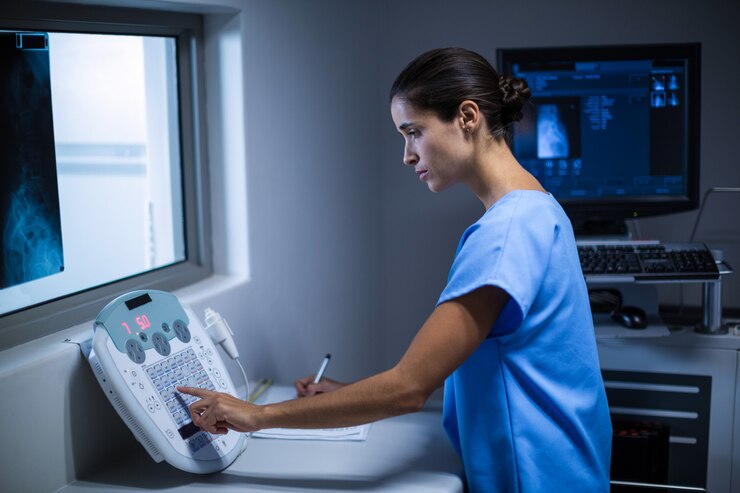
In modern emergency medicine, timely and accurate diagnosis is crucial. Imaging services at ER of Fort Worth Hospital are transforming trauma care by offering rapid, precise insights that guide life-saving treatments. From CT scans to MRIs and X-rays, these advanced tools allow physicians to quickly assess injuries, reduce delays, and improve patient outcomes.
Why Rapid Imaging is Critical in Trauma Care
Trauma cases in an ER setting can be unpredictable. Every second counts when dealing with severe injuries, internal bleeding, or head trauma. Rapid imaging services provide:
Immediate Diagnosis: Quickly identifies life-threatening conditions.
Precision Treatment Planning: Helps doctors create a targeted treatment plan.
Reduced Complications: Early detection prevents worsening of injuries.
Enhanced Patient Safety: Limits unnecessary procedures and exposure.
Key Imaging Services at ER of Fort Worth Hospital
ER of Fort Worth Hospital offers a full spectrum of diagnostic imaging, including:
1. X-Ray Imaging
X-rays remain one of the fastest tools for detecting fractures, dislocations, and internal injuries.
Benefits:
Quick results
Non-invasive
Affordable for emergency care
2. Computed Tomography (CT) Scan
CT scans provide detailed 3D images of bones, organs, and blood vessels.
Uses in Trauma:
Detects internal bleeding
Identifies organ damage
Guides surgical interventions
3. Magnetic Resonance Imaging (MRI)
MRI is ideal for soft tissue injuries, including the brain, spinal cord, and ligaments.
Advantages:
High-resolution imaging
No radiation exposure
Effective in complex trauma cases
4. Ultrasound Imaging
Ultrasound is commonly used for fast bedside assessments in emergencies.
Applications:
Detects fluid accumulation
Evaluates abdominal trauma
Guides emergency procedures
How Imaging Services Improve Patient Outcomes
By integrating advanced imaging technologies, ER of Fort Worth Hospital ensures that trauma patients receive:
Faster Diagnosis: Reduces waiting time from injury to treatment.
Better Surgical Planning: Helps surgeons understand injuries in detail.
Lower Mortality Rates: Early detection of critical injuries can save lives.
Patient-Centered Care: Minimizes unnecessary interventions while focusing on effective treatment.
Innovative Technologies in ER Imaging
ER of Fort Worth Hospital continually invests in state-of-the-art imaging solutions:
AI-Assisted Imaging Analysis: AI tools help detect subtle injuries quickly.
Portable Imaging Devices: Bedside imaging allows immediate assessment.
3D Imaging and Reconstruction: Provides surgeons with realistic anatomical models.
These innovations reduce delays, increase accuracy, and ensure that emergency care is efficient and precise.
The Role of Imaging Services in Multi-Trauma Cases
In complex trauma situations involving multiple injuries, imaging services are vital:
Prioritize Life-Threatening Injuries: Helps emergency teams focus on the most critical areas first.
Coordinate Multidisciplinary Care: Radiologists, surgeons, and emergency physicians work together based on imaging results.
Monitor Recovery: Follow-up imaging ensures that treatments are effective and complications are minimized.
Patient Experience and Comfort
ER of Fort Worth Hospital emphasizes patient comfort during imaging procedures:
Clear Communication: Staff explain procedures and results in simple language.
Minimized Wait Times: Rapid service ensures less anxiety for patients.
Safe Environment: Advanced imaging tools reduce radiation exposure and discomfort.
FAQs
Q1: How long does imaging take in a Fort Worth ER hospital?
A: Most emergency imaging procedures, like X-rays or CT scans, are completed within 10–30 minutes, depending on the complexity.
Q2: Are imaging services safe during emergencies?
A: Yes. Advanced imaging at ER of Fort Worth Hospital is designed to minimize radiation exposure and ensure patient safety.
Q3: Do all trauma patients need multiple imaging tests?
A: Not always. Physicians decide based on the injury type and urgency, ensuring efficient and necessary imaging.
Q4: Can imaging services detect internal injuries without surgery?
A: Absolutely. CT scans, MRIs, and ultrasounds can identify internal damage accurately, often avoiding invasive procedures.
Q5: Does ER of Fort Worth Hospital offer 24/7 imaging services?
A: Yes. Emergency imaging is available around the clock to handle all urgent trauma cases.
Conclusion
Rapid imaging services at ER of Fort Worth Hospital are revolutionizing trauma care. By combining speed, precision, and advanced technology, these services ensure that patients receive timely diagnosis, effective treatment, and the best possible outcomes. Whether it’s a minor injury or a life-threatening trauma, the hospital’s imaging capabilities play a critical role in saving lives and improving patient care.
For more information visit https://eroffortworthtx.com/services/imaging-services-in-fort-worth/
 :
: