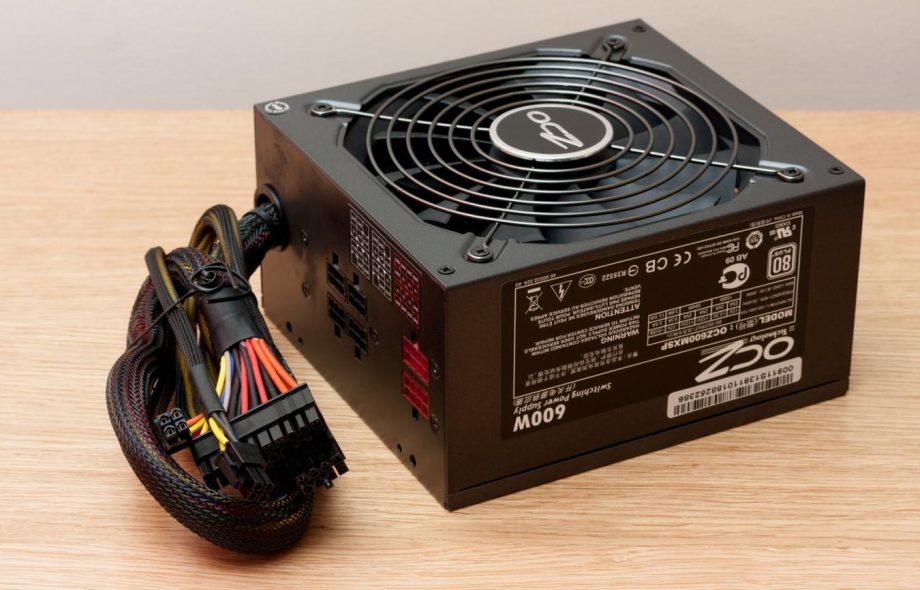
A computer power supply is one of the most critical components in modern IT Hardware and computer systems. While processors, memory, and storage devices often receive the most attention, none of these components can function without a reliable power source. The computer power supply serves as the foundation of system stability by converting electrical energy from a wall outlet into usable power for internal components.
Whether you are building a gaming PC, upgrading a workstation, or maintaining enterprise IT Hardware, selecting the right power supply is essential. A high-quality power supply ensures consistent performance, protects valuable hardware from electrical fluctuations, and contributes to the overall longevity of the system.
As technology continues to evolve, Power Supplies have become more efficient, reliable, and feature-rich. Modern computer power supply units are designed to support demanding workloads while maintaining energy efficiency and system stability.
What Is a Computer Power Supply?
A computer power supply, often referred to as a PSU (Power Supply Unit), is responsible for converting alternating current (AC) from an electrical outlet into direct current (DC) that computer components can use. Different parts of a computer require different voltage levels, and the power supply distributes the appropriate amount of power to each component.
Without a properly functioning computer power supply, critical components such as the motherboard, processor, graphics card, storage drives, and cooling systems cannot operate effectively. This makes the power supply one of the most important investments in any computer hardware configuration.
Modern Power Supplies include advanced protection features that guard against power surges, short circuits, overheating, and voltage fluctuations. These protections help safeguard expensive IT Hardware investments from unexpected electrical issues.
How a PC Power Supply Works
A PC power supply receives electricity from a wall outlet and converts it into multiple DC voltage rails required by various hardware components. The PSU regulates voltage and ensures that every connected device receives stable power regardless of workload fluctuations.
When a computer starts up, the PC power supply delivers power to the motherboard, processor, memory modules, storage drives, and other peripherals. During intensive workloads such as gaming, video rendering, or data processing, the power supply adjusts output levels to meet increased energy demands.
This continuous regulation is vital for maintaining system performance and preventing hardware failures. A reliable computer power supply ensures smooth operation even under heavy workloads.
Types of Computer Power Supply Units
Different computing devices require different types of Power Supplies. Understanding these categories helps users select the most suitable option for their needs.
Desktop Power Supplies
Desktop Power Supplies are designed specifically for desktop computers and workstations. These units are installed inside the computer case and provide power to all internal components.
Desktop Power Supplies are available in various wattage ratings, ranging from entry-level models for office computers to high-capacity units for gaming systems and professional workstations. Users should choose a power supply that provides adequate power for both current and future hardware upgrades.
Modern Desktop Power Supplies often include modular cable designs, allowing users to connect only the cables they need. This improves airflow, reduces cable clutter, and enhances overall system organization.
Laptop Power Supplies
Laptop Power Supplies differ significantly from desktop solutions. Instead of being housed inside the device, these units are typically external adapters that convert AC power into the voltage required by the laptop.
Laptop Power Supplies are engineered to be compact, portable, and energy-efficient. Since laptops are frequently used in various environments, these power supplies are designed with safety and durability in mind.
Many modern Laptop Power Supplies support fast-charging technologies and intelligent power management systems that optimize battery performance while protecting internal components.
Server and Enterprise Power Supplies
In enterprise IT Hardware environments, specialized Power Supplies are used to support servers, networking equipment, and data center infrastructure. These units are built for continuous operation and often feature redundant power configurations.
Redundant Power Supplies ensure uninterrupted operation by providing backup power if one unit fails. This capability is particularly important in mission-critical environments where downtime can result in significant operational disruptions.
Key Features to Look for in a Computer Power Supply
Selecting the right computer power supply requires evaluating several important features.
Wattage Capacity
Wattage determines how much power a PSU can deliver to connected components. Users should calculate the power requirements of their systems and choose a unit with sufficient capacity.
A gaming PC with a high-performance graphics card may require a much larger PC power supply than a standard office computer. Choosing a PSU with additional headroom allows for future upgrades and improves efficiency.
Energy Efficiency
Energy-efficient Power Supplies reduce electricity consumption and generate less heat. Many modern units carry efficiency certifications such as 80 PLUS Bronze, Silver, Gold, Platinum, or Titanium.
Higher efficiency ratings benefit both home users and businesses by reducing operating costs and improving system reliability.
Protection Features
A quality computer power supply should include built-in protections such as:
Over-voltage protection
Under-voltage protection
Short-circuit protection
Over-current protection
Over-temperature protection
These features help protect valuable computer hardware from electrical damage.
Modular Design
Many premium Desktop Power Supplies feature modular or semi-modular cable systems. Modular designs improve airflow inside the case and simplify installation and maintenance.
Why Computer Power Supply Quality Matters
Many users focus heavily on processors, graphics cards, and storage while overlooking the importance of the computer power supply. However, a low-quality PSU can negatively affect every component in the system.
Unstable Power Supplies may cause random crashes, performance issues, hardware degradation, and even complete component failure. Investing in a reliable power supply protects other hardware investments and ensures consistent performance.
For organizations managing large-scale IT Hardware deployments, selecting high-quality Power Supplies can significantly reduce maintenance costs and improve operational reliability.
Computer Power Supply and System Performance
While a computer power supply does not directly increase processing speed, it plays a crucial role in maintaining overall system performance. Components perform best when they receive stable and consistent power.
A high-quality PC power supply minimizes voltage fluctuations and provides reliable power delivery during demanding workloads. This stability is particularly important for gaming systems, content creation workstations, and enterprise servers.
As hardware becomes more powerful, the role of efficient Power Supplies continues to grow in importance.
Power Supplies in Modern IT Hardware Environments
Today’s IT Hardware environments rely heavily on dependable Power Supplies. From corporate offices to data centers, power management directly impacts productivity and system uptime.
Businesses often deploy enterprise-grade Power Supplies designed for continuous operation. These units support virtualization, cloud computing, database management, and other resource-intensive applications.
Reliable computer power supply solutions help organizations maintain efficiency while reducing the risk of unexpected outages.
Future Trends in Computer Power Supply Technology
The future of computer power supply technology focuses on greater efficiency, sustainability, and intelligent power management.
Manufacturers are developing Power Supplies with higher efficiency ratings, improved thermal performance, and advanced monitoring capabilities. Smart power management features allow users to track power consumption and optimize system performance.
As artificial intelligence, cloud computing, and high-performance workloads become increasingly common, modern IT Hardware will require more sophisticated power solutions.
The adoption of renewable energy and environmentally friendly technologies is also influencing power supply design. Future Power Supplies will likely offer even greater efficiency while reducing environmental impact.
Choosing the Right Computer Power Supply
When selecting a computer power supply, users should consider system requirements, efficiency ratings, expansion plans, and reliability. Choosing a reputable brand and appropriate wattage ensures long-term performance and system stability.
Desktop users should carefully evaluate Desktop Power Supplies based on component requirements, while mobile professionals should prioritize compatibility and efficiency when selecting Laptop Power Supplies.
A well-chosen PC power supply not only powers a system effectively but also protects valuable hardware investments and supports future upgrades.
Conclusion
A computer power supply is far more than just a component that delivers electricity. It is the foundation of reliable computing, enabling every aspect of system operation. Whether in personal computers, professional workstations, laptops, or enterprise IT Hardware environments, Power Supplies play a critical role in performance, efficiency, and reliability.
Understanding the different types of Power Supplies, including Desktop Power Supplies and Laptop Power Supplies, helps users make informed purchasing decisions. By investing in a high-quality computer power supply, individuals and organizations can improve system stability, protect valuable computer hardware, and ensure long-term performance.
As technology continues to advance, the importance of efficient and dependable power supply solutions will only continue to grow, making them an essential part of every modern computing environment.
 :
https://www.pinterest.com/CTSPoint/
:
https://www.pinterest.com/CTSPoint/