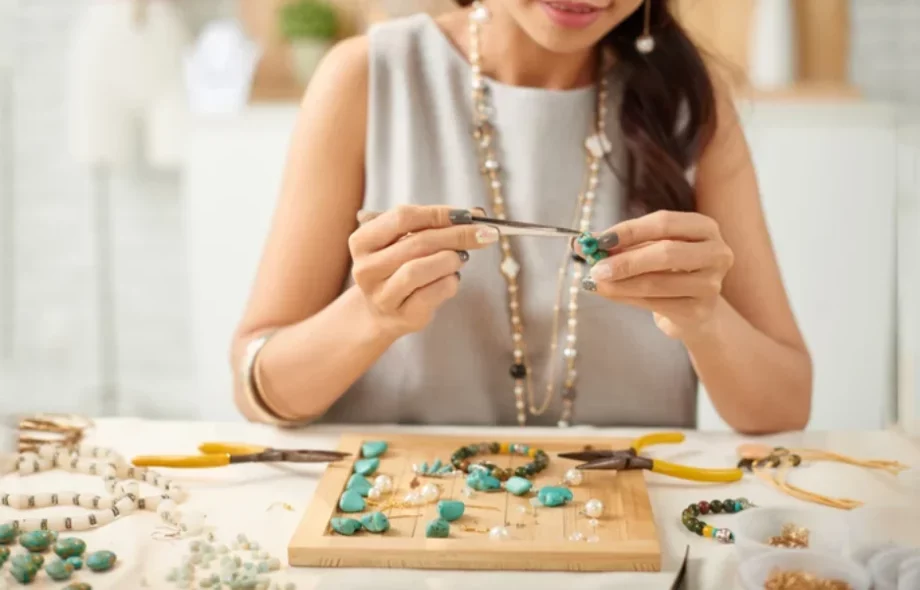
Have you ever walked into a room and noticed someone wearing a necklace or ring that completely captivated you? It wasn’t just shiny; it felt special. It had character. Chances are, you were looking at a piece of handmade jewellery.
In a marketplace flooded with mass-produced items from large factories, choosing accessories made by hand offers a refreshing change. It is about more than just decoration. It is about art, connection, and making a conscious choice.
This article explores the significant benefits of choosing artisan-crafted pieces over factory-made alternatives. We will look at the superior quality, the ethical advantages, and the unique stories that come with every purchase. By the end, you will understand why handmade is often the smarter, more stylish investment.
The Unmatched Quality of Craftsmanship
One of the most immediate benefits of buying handmade jewellery is the quality. When you buy from a mass-market retailer, you are often buying a product made by machines designed for speed and volume, not necessarily longevity.
Attention to Every Detail
An artisan maker controls the entire process. They do not just press a button and wait for a finished product to drop onto a conveyor belt. They saw, solder, polish, and set stones with their own hands. This intimate relationship with the piece allows them to spot imperfections that a machine might miss.
If a clasp feels loose, they fix it immediately. If a gemstone isn’t sitting perfectly in its setting, they adjust it until it is secure. This level of scrutiny ensures that the final product is near perfection. You are paying for a human eye and a human touch, which translates to a higher standard of finish.
Built to Last a Lifetime
Because artisans stake their reputation on their work, they tend to build things to last. They often use higher quality metals and more durable techniques than large factories. Mass production often focuses on cutting costs, which can mean using thinner plating or hollow components that dent easily.
Handmade pieces are generally solid and substantial. The maker wants you to wear this piece for decades, perhaps even pass it down to the next generation. This durability creates better value over time. You might pay a little more upfront, but you won’t need to replace the item in six months because the chain snapped or the finish rubbed off.
Owning Something Truly Unique
We all want to express our individuality. Fashion is a language, and what we wear speaks volumes about who we are. Unfortunately, it is hard to be unique when you buy the same necklace that thousands of other people bought from a chain store at the mall.
No Two Pieces Are Exactly Alike
The nature of handmade jewellery means there is always a slight variation between pieces. Even if an artisan makes a series of ten silver rings, each one will have tiny differences. Perhaps the hammer marks on the band catch the light differently, or the stone in one is a slightly deeper shade of blue.
These aren’t flaws; they are the fingerprints of the maker. When you wear handmade, you are wearing something that no one else in the world owns. It is exclusive to you. This uniqueness gives the jewellery a “soul” that factory-made items simply cannot replicate.
The Story Behind the Piece
Every handmade item has a narrative. There is a specific person who sat at a workbench, designed the concept, and brought it to life. Often, artisans are happy to share the inspiration behind their work. You might learn that a pair of earrings was inspired by the texture of tree bark during a morning walk, or that a pendant represents a historical symbol.
Knowing this story adds a layer of emotional value to the item. It becomes a conversation starter. When someone compliments your ring, you don’t just say, “Thanks, I bought it online.” You can share the story of how it was made and who made it.
Sustainable and Ethical Choices
For many modern consumers, the impact of their purchases matters just as much as the aesthetics. The fashion and jewellery industries have historically had poor track records regarding environmental sustainability and ethical labor. Choosing handmade jewellery is a powerful way to vote for a better system.
A Smaller Environmental Footprint
Mass production requires massive amounts of energy and resources. Large factories run continuously, consuming electricity and often producing significant chemical waste. They also ship products globally in huge quantities, adding to a heavy carbon footprint.
Independent makers usually operate on a much smaller scale. They often work from small studios or home workshops. Their energy consumption is a fraction of what a factory uses. Furthermore, artisans are generally more conscious of waste. They save their metal scraps to melt down and reuse, and they often use fewer harsh chemicals in their cleaning and polishing processes.
Ethical Sourcing and Materials
Artisans often prioritize ethical sourcing because they care about the materials they touch every day. Many handmade jewellers go out of their way to source:
- Recycled gold and silver to avoid supporting new mining operations.
- Conflict-free diamonds and ethically mined gemstones.
- Vintage components upcycled into new designs.
When you buy from a small business, you can often ask the maker exactly where their materials came from. This transparency is rare in the world of mass manufacturing, where supply chains are long, complex, and often murky.
Supporting Real People and Artisans
When you buy handmade jewellery, your money goes directly to a person, not a faceless corporation. This economic support has profound effects on the lives of creators and their communities.
Keeping Traditional Skills Alive
Jewellery making is an ancient art. Techniques like hand-forging, enameling, and stone setting have been passed down through generations. In an automated world, these skills are at risk of dying out.
By purchasing handmade items, you are supporting the artisans who keep these traditions alive. You are ensuring that there is still a market for skilled labor and artistic craftsmanship. It is a way of preserving human culture and history through the objects we wear.
A Personal Connection
There is a distinct joy in connecting with the maker. Whether you meet them at a craft fair or chat with them via email, the transaction is personal. Artisans genuinely appreciate every sale. It helps them pay their mortgage, buy groceries, or send their kids to dance lessons.
This connection often leads to better customer service. If you need a ring resized or a repair done years down the line, you can usually go back to the person who made it. They know the piece intimately and will care for it better than a generic repair shop would.
The Value of Customization
One of the most exciting aspects of the handmade world is the ability to customize. Mass-produced jewellery is “what you see is what you get.” If you like a ring but wish the stone was green instead of red, you are usually out of luck.
With handmade jewellery, the maker is often happy to tweak a design for you. Because they are making it from scratch anyway, making adjustments is part of the process.
You can often request:
- Different metals: Swapping silver for gold or rose gold.
- Specific gemstones: Choosing a birthstone or a favorite color.
- Sizing adjustments: Getting a perfect fit for non-standard wrist or finger sizes.
- Engravings: Adding a date or initial to make it sentimental.
This collaborative process transforms you from a passive consumer into a co-creator. The final piece feels like it truly belongs to you because you helped shape it.
Understanding the Cost
A common objection to buying handmade is the price. It is true that a handmade silver necklace often costs more than a similar-looking one from a fast-fashion retailer. However, it is essential to understand what that price tag represents.
When you buy cheap, mass-produced jewellery, the price is kept low by suppressing labor costs (often through low wages overseas) and using inferior materials. The item is cheap because it is disposable.
When you buy handmade, you are paying for:
- Time: The hours spent designing, shaping, and finishing the piece.
- Skill: The years of training the artisan needed to master their craft.
- Materials: The cost of genuine, high-quality metals and stones.
- Overhead: The cost of tools, studio space, and marketing for a small business.
When you view it as an investment in art and quality rather than just a commodity, the value becomes clear. A $100 handmade ring that you wear every day for twenty years is far cheaper in the long run than ten $20 rings that turn your finger green and break within a month.
Conclusion
Choosing handmade jewellery is a decision that benefits everyone involved. You get a higher quality, unique product that expresses your personal style. The artisan gets to make a living doing what they love. The environment benefits from more sustainable production methods.
Next time you are looking for a gift for a loved one, or a treat for yourself, skip the big box stores. Look for local craft markets, independent online boutiques, or artisan collectives. Look for the makers who are pouring their passion into metal and stone.
By choosing handmade, you aren’t just buying an accessory. You are buying a story, a piece of art, and a future where craftsmanship is valued. That is a luxury that mass production can never offer.
 :
https://www.pinterest.com/gemsbyuzma/
:
https://www.pinterest.com/gemsbyuzma/