

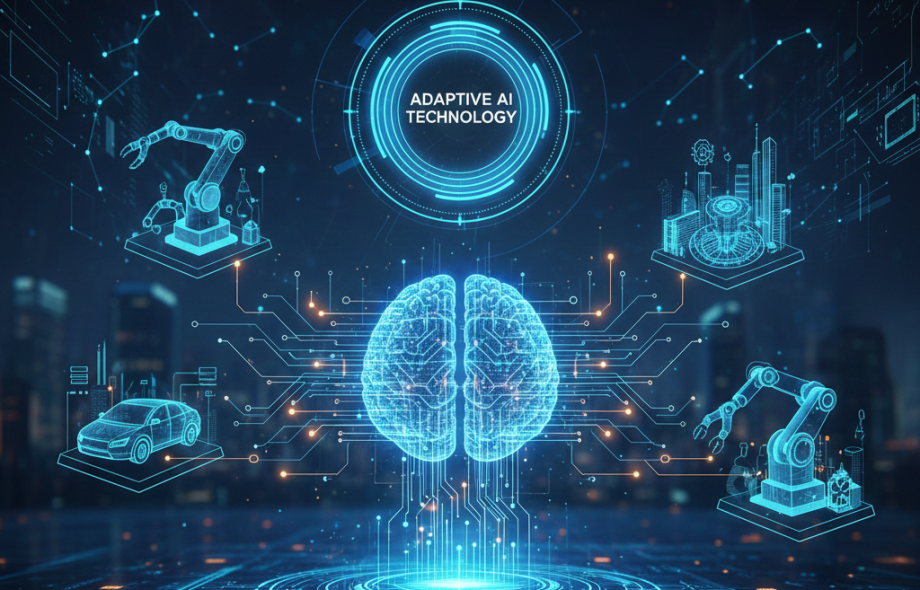
In today’s fast-paced technological landscape, artificial intelligence (AI) continues to revolutionize various industries. One of the latest trends in the AI sector is Adaptive AI, a form of machine learning that enables AI systems to continuously learn and improve from their interactions with users and their environments. This cutting-edge technology is paving the way for more personalized and responsive AI solutions that can better meet the diverse needs of users across different applications.
Adaptive AI utilizes algorithms that can adapt and evolve based on real-time data and user feedback. This allows AI systems to tailor their responses and actions to suit the preferences and behaviors of individual users, providing a more customized and seamless experience. Whether in customer service chatbots, healthcare diagnostics, or autonomous vehicles, Adaptive AI has the potential to enhance efficiency, accuracy, and user satisfaction.
One of the key advantages of Adaptive AI is its ability to optimize decision-making processes. By analyzing and learning from past interactions, Adaptive AI systems can make more informed decisions and predictions, leading to better outcomes. For example, in the financial sector, Adaptive AI can help financial advisors provide more personalized investment recommendations based on a client’s risk tolerance and financial goals.
Moreover, Adaptive AI can improve user engagement and retention by delivering more relevant and timely responses. By understanding the context and intent behind user interactions, AI systems can offer more precise information and recommendations. This not only enhances user experience but also fosters greater trust and loyalty towards the AI solution.
As Adaptive AI continues to evolve, it is essential to consider the ethical implications and challenges that come with this technology. Issues such as privacy, bias, and transparency must be carefully addressed to ensure that AI systems operate fairly and responsibly. Organizations and developers need to prioritize ethical guidelines and regulations to uphold the integrity and trustworthiness of Adaptive AI solutions.
In conclusion, Adaptive AI represents a significant advancement in the field of artificial intelligence, offering a more adaptive, personalized, and responsive approach to AI technology. By continuously learning and adapting to user needs and preferences, Adaptive AI has the potential to revolutionize various industries and enhance the overall user experience. As this technology continues to mature, it is crucial for stakeholders to collaborate and uphold ethical standards to harness the full potential of Adaptive AI for the benefit of society.
 :
https://www.pinterest.com/xceltec0192/
:
https://www.pinterest.com/xceltec0192/