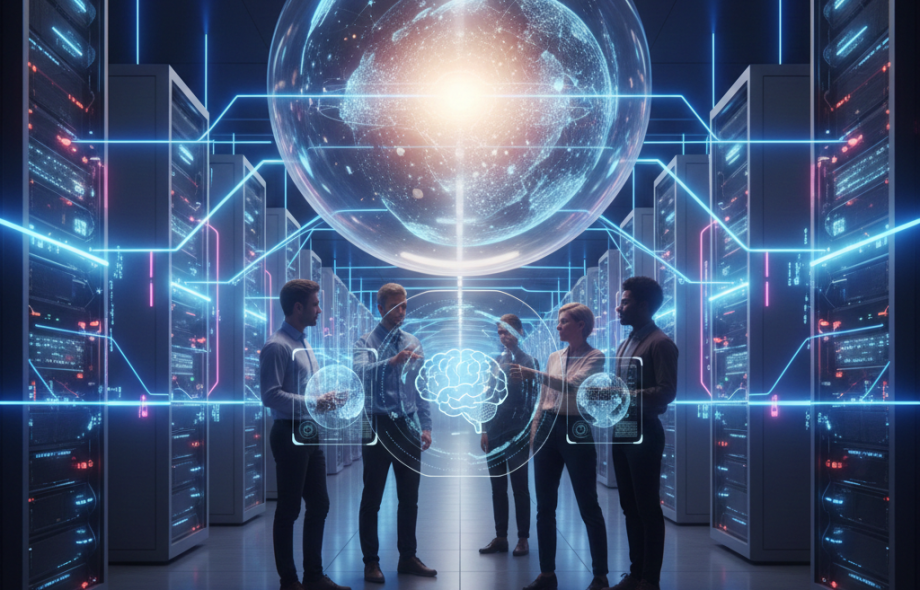
Computing power is a revolutionary technology that is shaping the way we live, work, and interact with the world around us. As our reliance on technology grows, so does the need for greater computing power to handle the increasing demands placed on systems and applications. From smartphones and laptops to data centers and supercomputers, computing power is at the heart of our digital age.
One of the key drivers of computing power is Moore’s Law, which states that the number of transistors on a chip doubles approximately every two years, leading to exponential growth in computational capabilities. This has led to the development of ever more powerful processors, enabling faster and more efficient computing performance. As a result, we now have the ability to process massive amounts of data in real-time, paving the way for new applications and services that were previously unimaginable.
The rise of artificial intelligence (AI) and machine learning has also contributed to the demand for greater computing power. These technologies rely on complex algorithms that require significant computational resources to function effectively. As AI becomes more integrated into our daily lives, from autonomous vehicles to personal assistants, the need for high-performance computing systems will only continue to grow.
In addition, the advent of 5G technology is set to further increase the demand for computing power. With its promise of ultra-fast data speeds and low latency, 5G will enable a whole new wave of connected devices and applications that will require powerful computing capabilities to operate seamlessly. From smart homes and cities to IoT devices and autonomous drones, 5G will rely on robust computing power to deliver on its revolutionary potential.
The future of computing power lies in innovative new technologies such as quantum computing, which has the potential to revolutionize the way we process information. By harnessing the principles of quantum mechanics, quantum computers can perform calculations at speeds that are orders of magnitude faster than traditional computers, opening up a whole new realm of possibilities for scientific research, cryptography, and data analysis.
In conclusion, computing power is a foundational technology that underpins the rapid pace of innovation in today’s digital world. As we continue to push the boundaries of what is possible with technology, the need for greater computing power will only continue to grow. By harnessing the full potential of computing power, we can unlock new opportunities and capabilities that will shape the future of our interconnected world.
 :
https://www.pinterest.com/xceltec0192/
:
https://www.pinterest.com/xceltec0192/