

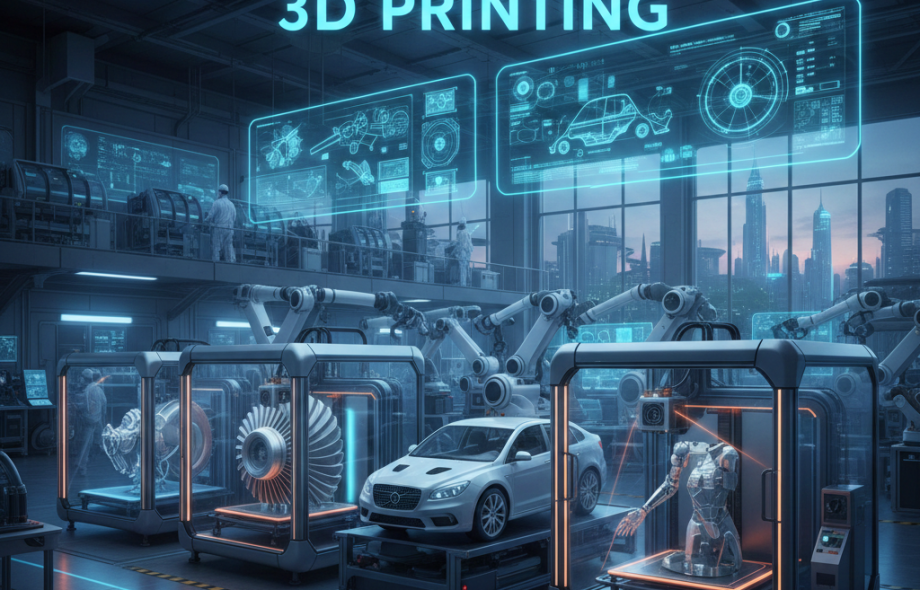
3D printing, also known as additive manufacturing, is revolutionizing the way we create objects, from small trinkets to entire houses. This cutting-edge technology has gained popularity in various industries, including healthcare, aerospace, automotive, and fashion. With 3D printing, intricate designs can be brought to life in a matter of hours, opening up a world of possibilities for innovation and customization.
One of the key advantages of 3D printing is its ability to create complex shapes and structures that traditional manufacturing methods struggle to produce. This flexibility allows for the production of intricate parts with minimal waste, making it a more sustainable option compared to traditional manufacturing techniques. In the medical field, 3D printing has been used to create customized implants, prosthetics, and even organs, revolutionizing the way we approach healthcare.
Another area where 3D printing has made significant strides is in the aerospace industry. Companies are increasingly using additive manufacturing to produce lightweight, high-performance components for aircraft, rockets, and satellites. This not only reduces production costs but also improves the overall efficiency and performance of the final product.
In the automotive sector, 3D printing is being utilized to create custom parts, prototypes, and even entire vehicles. This level of customization allows for faster product development cycles and greater design flexibility. As 3D printing technology continues to advance, we can expect to see more personalized options for consumers in the automotive industry.
The fashion industry has also embraced 3D printing as a tool for creating unique and avant-garde designs. Designers are experimenting with new materials and techniques to produce intricately detailed garments, footwear, and accessories. This fusion of technology and creativity is pushing the boundaries of what is possible in fashion design.
As 3D printing becomes more accessible and affordable, its applications will continue to expand across various industries. The potential for customization, rapid prototyping, and cost-effective production makes it a valuable tool for businesses looking to stay ahead of the curve. In the coming years, we can expect to see even more groundbreaking advancements in 3D printing technology, shaping the future of manufacturing.
In conclusion, 3D printing is a game-changer in the world of manufacturing, offering endless possibilities for innovation and customization. As the technology continues to evolve, we can expect to see its impact across a wide range of industries, from healthcare to aerospace to fashion. Embracing 3D printing means embracing a future where anything is possible, one layer at a time.
 :
https://www.pinterest.com/xceltec0192/
:
https://www.pinterest.com/xceltec0192/