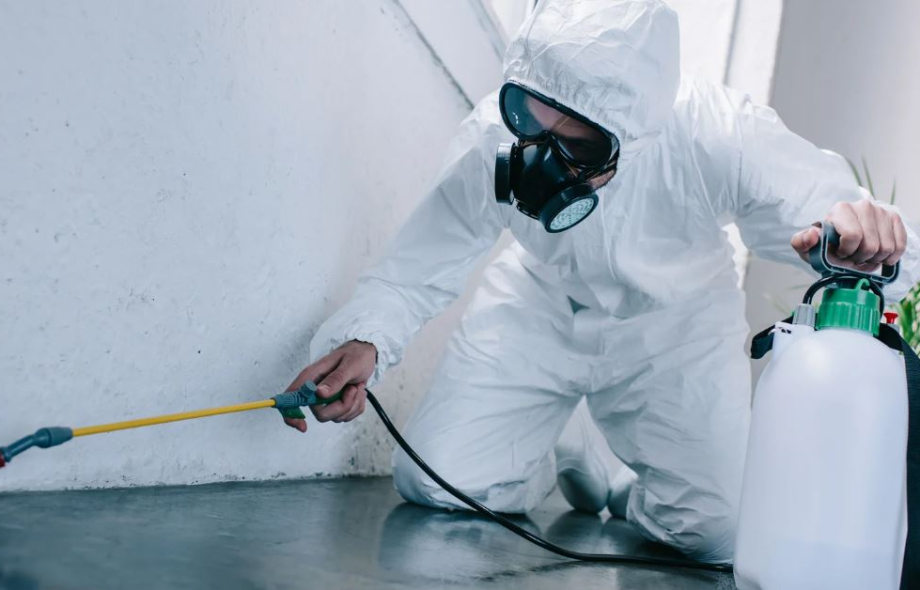
When it comes to home maintenance, keeping pests out is just as important as keeping the roof from leaking. No one wants to share their space with termites, rodents, or spiders. The good news is that most pest problems start because of basic maintenance oversights, and fixing them doesn’t require complex chemical treatments—just a little elbow grease.
By focusing on three key areas – Exclusion, Sanitation, and Moisture Control, you can drastically reduce the appeal of your home to unwanted guests. These simple, proactive steps form your frontline defense, making your property less hospitable to pests before you ever need to call in the professionals.
For ongoing peace of mind and help with persistent issues, you should always consult trusted pest control experts in Dayton who can provide professional assessments and targeted solutions. But for your day-to-day defense, here is your essential DIY pest prevention checklist.
1. Exclusion: Seal Them Out
The most effective way to prevent pests is to block their entry points. Even tiny gaps are huge invitations for insects and rodents.
- Seal Cracks and Gaps: Walk the perimeter of your house, basement, and garage. Use silicone or acrylic caulk to seal any cracks in the foundation, masonry, and around utility pipes (like AC lines or gas meters). Pests can squeeze through openings as small as $1/4$ inch.
- Check Windows and Doors:
- Ensure all door sweeps are tight against the threshold. If light is visible under the door, air (and pests) can get through.
- Check for damaged or missing weatherstripping around doors and windows, and replace it promptly.
- Screen Vents and Chimneys: Install or repair mesh screens over all attic, foundation, and roof vents, as well as the chimney flue. These spots are common entryways for birds, bats, and squirrels.
- Repair Damaged Screens: Patch any tears in window and door screens. Use metal mesh or wire wool to fill larger holes in brickwork or siding, especially in areas where pipes enter.
2. Sanitation: Eliminate Food Sources
Pests generally only stick around if they have easy access to food and shelter. By keeping things clean and tidy, you remove their motivation to stay.
- Store Food Properly:
- Keep all dry foods—cereals, flour, sugar, pet food—in airtight, sealed containers made of thick plastic, glass, or metal.
- Do not leave pet food out overnight, especially outside.
- Manage Garbage:
- Use garbage cans with tight-fitting lids both inside and outside the home.
- Regularly clean indoor garbage cans and the area around outdoor bins to remove residues that attract flies and rodents.
- Kitchen Cleanliness:
- Wipe down counters and clean up spills immediately.
- Do not leave dirty dishes in the sink overnight.
- Clean under appliances (stoves, refrigerators) frequently, as crumbs and grease collect there.
- Tidy Indoors and Out:
- Reduce clutter in basements, attics, and garages, as cardboard boxes and piles of debris provide nesting material and shelter for pests.
- Remove potential outdoor hiding spots like old tires, unused pots, and piles of wood or leaves near the foundation.
3. Moisture Control: Dry Things Out
Pests, particularly termites, mosquitoes, and roaches, need moisture to survive. Eliminating sources of standing water and excessive humidity is crucial for pest prevention.
- Fix Leaks: Immediately repair any leaking pipes, faucets, or appliances (like dishwashers or washing machines). Even a slow drip can sustain a colony.
- Clear Gutters: Ensure gutters and downspouts are clean and working correctly. Clogged gutters create standing water and can direct water runoff right toward your foundation, attracting subterranean termites.
- Check Drainage: Ensure the ground around your foundation slopes away from the house to facilitate proper drainage. Avoid standing water near the base of your home.
- Ventilation and Humidity:
- Ensure crawl spaces are well-ventilated and dry. Consider using a dehumidifier in damp basements or crawl spaces to keep humidity levels low (ideally below 50%).
- Use exhaust fans in kitchens and bathrooms to vent moisture outside.
- Firewood Storage: Store firewood at least 20 feet away from the house and elevate it off the ground. Wood piles are a favorite harbor for rodents and insects.
DIY Prevention FAQs
Q: How often should I check my home for entry points?
A: You should perform a thorough check of your home’s perimeter and attic/basement twice a year, once in the spring before insects become highly active and again in the fall as rodents start seeking winter shelter.
Q: Does mulch attract termites?
A: Mulch itself doesn’t typically attract termites, but it retains moisture and provides a favorable, damp environment right next to your foundation. Keep mulch beds at least 6-12 inches away from the foundation, and never allow it to cover the weep holes or foundation vents.
Q: Can essential oils repel pests?
A: Certain essential oils, like peppermint, eucalyptus, or tea tree oil, can repel some pests (like spiders or mice) temporarily, but they are not effective long-term treatments. They work as a deterrent for a short time, but they won’t solve an existing infestation or prevent determined pests from finding an entry point.
 :
https://in.pinterest.com/olivedsmith/
:
https://in.pinterest.com/olivedsmith/