

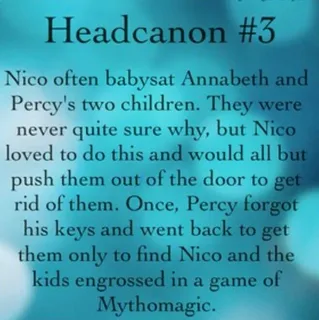
Every writer knows the thrill of asking “what if?” What if a character had grown up in a different city? What if they made a decision no one else expected? These “what-if” scenarios aren’t just fun thought experiments—they’re the secret sauce that makes characters feel real, relatable, and unforgettable. Welcome to the world of headcanons, where fans and creators alike breathe life into characters beyond the original story.
Headcanons are personal interpretations or extensions of a character’s life that aren’t explicitly detailed in canon material. They’re the little details, quirks, and preferences that fill in the gaps left by the source. And while they may seem trivial at first glance, they carry immense power for writers aiming to deepen character development and enhance storytelling.
In this article, we’ll explore why headcanons matter, how they improve storytelling, and practical ways writers can use tools like a Character Headcanon Generator
to spark creativity.
What Are Headcanons and Why They Matter
Headcanons are essentially the “secret life” of your characters. Think of them as the behind-the-scenes details that make a character feel like a living, breathing person. Maybe your protagonist always hums when nervous, or perhaps a villain secretly writes poetry. These details might never appear in the official story, but they provide depth and consistency that fans and readers can connect with.
The Benefits of Embracing Headcanons
Character Consistency: Headcanons help maintain consistent behavior. When you know your character’s quirks or hidden traits, it’s easier to make them act realistically in any scenario.
Enhanced Engagement: Readers love discovering hidden layers of their favorite characters. Sharing headcanons can increase engagement in fan communities or social media.
Creative Freedom: Headcanons allow writers to explore “what-if” scenarios that canonical storytelling may not cover, offering a playground for creativity.
Emotional Connection: Small details make characters relatable. A unique habit, a secret fear, or a cherished memory can make readers empathize more deeply.
How Headcanons Boost Writing Skills
Many writers underestimate how much crafting headcanons can enhance their skills. Beyond just adding flavor, this practice sharpens observation, empathy, and consistency.
Observation: Noticing small human behaviors and translating them into headcanons improves your ability to write believable characters.
Empathy: Thinking about why a character might act or feel a certain way nurtures emotional intelligence, which translates to richer storytelling.
Consistency: Once you’ve established headcanons, your characters act logically across different scenes, creating a cohesive narrative.
Tools to Inspire Your Headcanons
Sometimes, creating headcanons feels overwhelming. How do you decide what little details make a character tick? That’s where a Character Headcanon Generator
comes in. These tools can suggest quirky traits, backstory elements, or habits you might never have considered. Using a generator can:
Spark creativity when you’re stuck.
Offer ideas for side plots or character interactions.
Help maintain diversity and avoid clichés.
While generators shouldn’t replace your imagination, they’re excellent for overcoming writer’s block or introducing fresh perspectives into your story.
Step-by-Step Guide to Developing Headcanons
Creating meaningful headcanons requires a mix of creativity, observation, and empathy. Here’s a simple framework:
1. Study the Canon Material
Before you invent new traits, understand what’s already established. Look for:
Character habits, speech patterns, and reactions.
Relationships with other characters.
Background information, even if brief.
2. Ask “What if?”
Pose questions that explore unexplored scenarios:
What if your character had a completely different childhood?
What if they faced a moral dilemma that wasn’t in the story?
What if they had an unusual hobby or secret talent?
3. Focus on Small, Relatable Details
Major plot points matter, but minor quirks make characters memorable. Consider:
Favorite snacks or music
Reactions to stress or joy
Unique speech fillers or gestures
4. Use a Headcanon Generator for Inspiration
Experiment with a Character Headcanon Generator
to kickstart ideas. You can blend random suggestions with your own observations to create rich, multi-layered personalities.
5. Integrate Naturally into the Story
Don’t force headcanons into the narrative. Let them influence dialogue, inner thoughts, or subtle behaviors. Readers appreciate authenticity over exposition.
Real-Life Examples of Powerful Headcanons
Some of the most beloved characters in literature and media gain extra life through headcanons. For instance:
Sherlock Holmes: Fans often imagine small quirks like a preference for classical music or secret acts of kindness.
Harry Potter Characters: Headcanons explore hidden fears, personal hobbies, and emotional vulnerabilities, making them feel more relatable.
Video Game Protagonists: Gamers often craft elaborate backstories and personality traits for playable characters, increasing immersion and connection.
By embracing these imaginative expansions, writers can create deeper, more memorable narratives that resonate long after the story ends.
Why Writers Should Care About “What-If” Details
The “what-if” mindset is a powerful tool for any storyteller. Here’s why:
Improves Problem-Solving: Imagining alternative outcomes encourages flexible thinking.
Fosters Creativity: Exploring “what-if” scenarios expands narrative possibilities and prevents predictable storytelling.
Strengthens Character Arcs: Small hypothetical choices reveal motivations, fears, and desires that shape growth.
Encourages Reader Interaction: Fans often enjoy speculating about characters’ lives, and well-developed headcanons fuel these discussions.
Making Headcanons Work for You
To maximize the value of headcanons in your writing:
Keep a dedicated journal: Track quirks, habits, and backstory ideas.
Blend subtlety with consistency: Let headcanons influence behavior without overshadowing plot.
Share selectively: Posting a few headcanons on social media or forums can build engagement and community.
Revise as needed: As characters evolve, refine your headcanons to stay consistent with the story arc.
FAQs About Character Headcanons
1. What is a headcanon in writing?
A headcanon is a personal interpretation of a character’s traits, background, or behavior that isn’t explicitly mentioned in the original material. Writers and fans use headcanons to add depth and nuance.
2. How do I create interesting headcanons?
Start by studying the character’s canonical traits. Ask “what if?” questions about their past, personality, or preferences. Tools like a Character Headcanon Generator
can provide inspiration and help spark ideas.
3. Can headcanons improve my writing?
Absolutely! Headcanons enhance character consistency, empathy, and creativity. They provide subtle details that make characters feel real, memorable, and emotionally engaging.
Conclusion
Headcanons aren’t just fan indulgences—they’re a writer’s secret weapon. By exploring “what-if” scenarios and adding subtle, humanizing details, writers can create characters that resonate on a deeper level. Tools like a Character Headcanon Generator
can help spark ideas, but the real magic comes from your imagination and understanding of your characters.
Whether you’re crafting a novel, fanfiction, or game narrative, embracing headcanons ensures your characters leave a lasting impression. Remember, the small details often speak the loudest, transforming fictional personalities into unforgettable, lifelike companions for readers and fans alike.
 :
https://headcanongenerator.best/
:
https://headcanongenerator.best/