
The idea of launching an online store sounds exciting until you sit down and realize how many platforms are out there.
It’s a bit like walking into a supermarket to buy toothpaste and finding 36 different kinds. You know what you want to do – sell your products online. But how do you choose the right place to start?
The truth is that the platform you choose will quietly shape everything. It will shape how easily you can update products, how fast your site loads, how your customers feel when they check out.
So, let’s make this easier. Here are 7 of the most trusted eCommerce platforms, what they’re best at, and why real businesses choose them.
This isn’t about listing features. It’s about helping you find the one that actually fits.
1. Shopify
Nearly 5 million store owners from solo founders to big-name brands around 175 nations use Shopify development services. And why not, it’s clean, reliable, and gets out of your way so you can focus on your products.
All you need is to set it up once, and you’re good to go. Plus, with all the apps, it scales as you do.
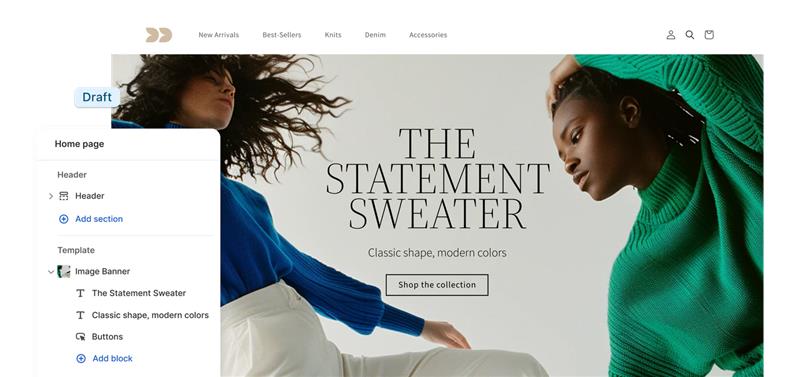
Use this ecommerce solution platforms if: You want a smooth, ready-to-sell experience without too much tech drama.
2. WooCommerce
If you are already on WordPress, then WooCommerce development turns your blog or site into a full-on store. It’s free to start, flexible, and backed by a huge community.
You’ll have more control here but also a few more decisions to make like hosting and security.
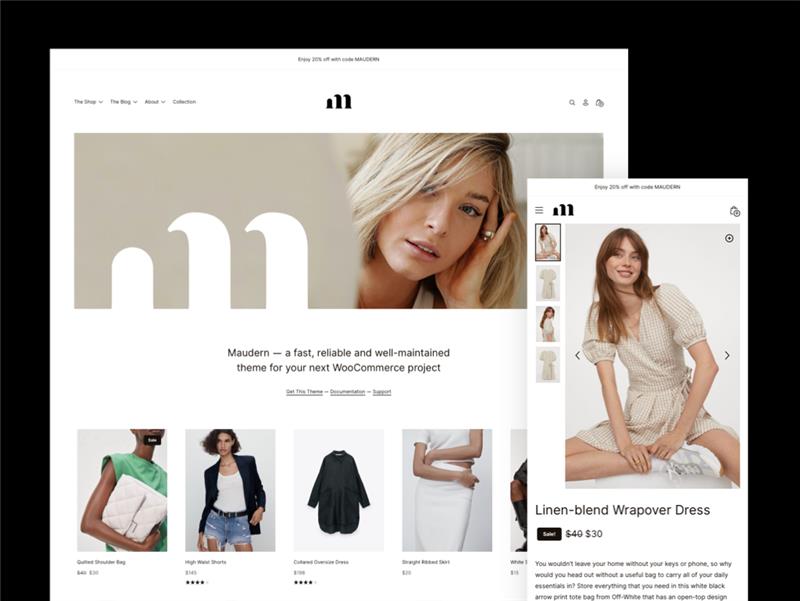
Use this ecommerce platform if: You know your way around WordPress and want to build something fully yours.
3. BigCommerce
This one’s for businesses that are already moving fast or plan to. BigCommerce ecommerce platform comes ready with multi-channel selling, advanced SEO, and strong B2B features.
There is no need to rely on too many plugins with this ecommerce solution. BigCommerce just handles things.

Use BigCommerce if: You’re growing, selling across channels, and don’t want to switch platforms later.
4. Wix eCommerce
Wix is simple, clean, and most of the time it is overlooked. But for small shops, artists, and service-based sellers dipping their toes into eCommerce, it works, and it works well.
It has a simple setup where you just need to do drag, drop, sell.
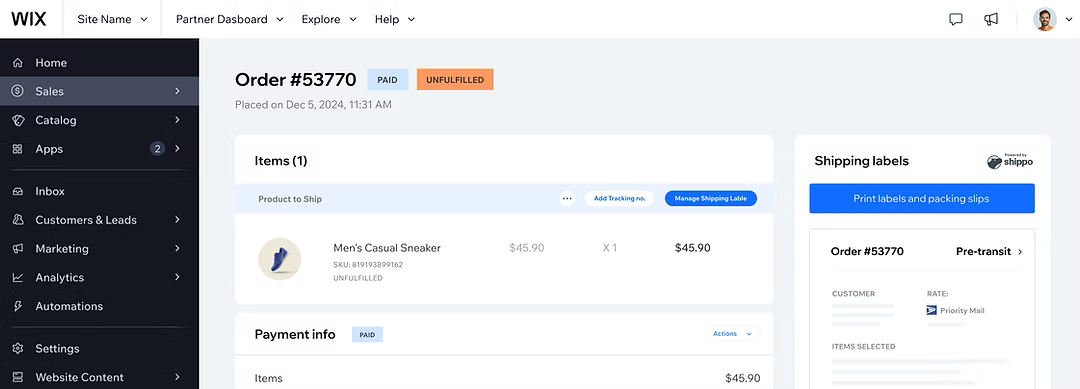
Use this e-commerce solution if: You want a beautiful store with minimal setup and don’t need enterprise features.
5. Magento (Adobe Commerce)
Magento is powerful but it’s not really for beginners. Manu successful brands like Nike or Helly Hansen are doing their business on Magento.
If you’ve got a dev team or agency, Magento gives you full control. But you don’t have to worry, if your in-house team is not filled with dev guys, you can still own a Magento store with the help of an ecommerce development company.
Magento ecommerce platform is durable, built for global commerce, and deeply customizable.
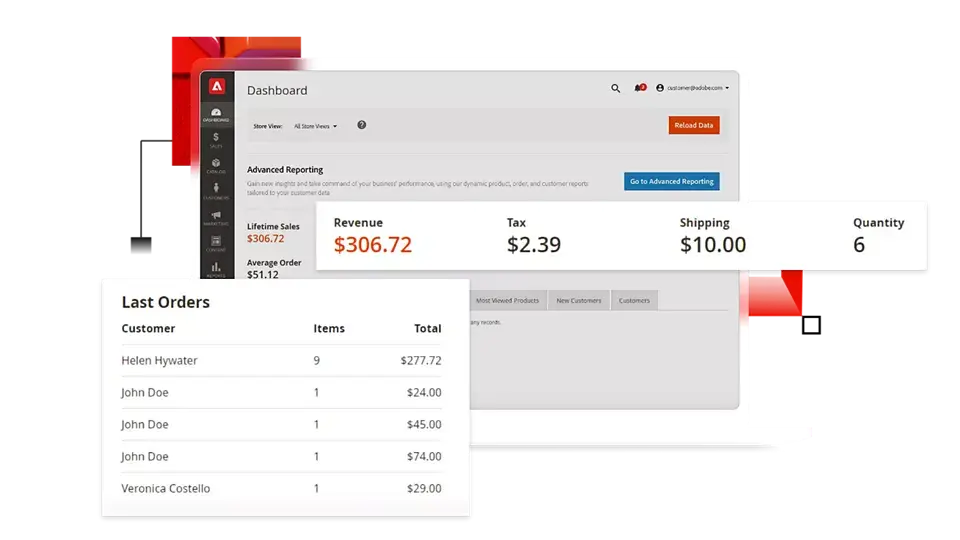
Start this ecommerce app development if: You’re a large business with complex needs and the tech muscle or custom ecommerce service partner to back it up.
6. Squarespace Commerce
Squarespace shines when visuals matter. If you’re selling art, fashion, or anything where brand experience is everything, this ecommerce platform gives you a beautiful canvas.
It won’t handle large-scale operations, but that was not for which it was made.
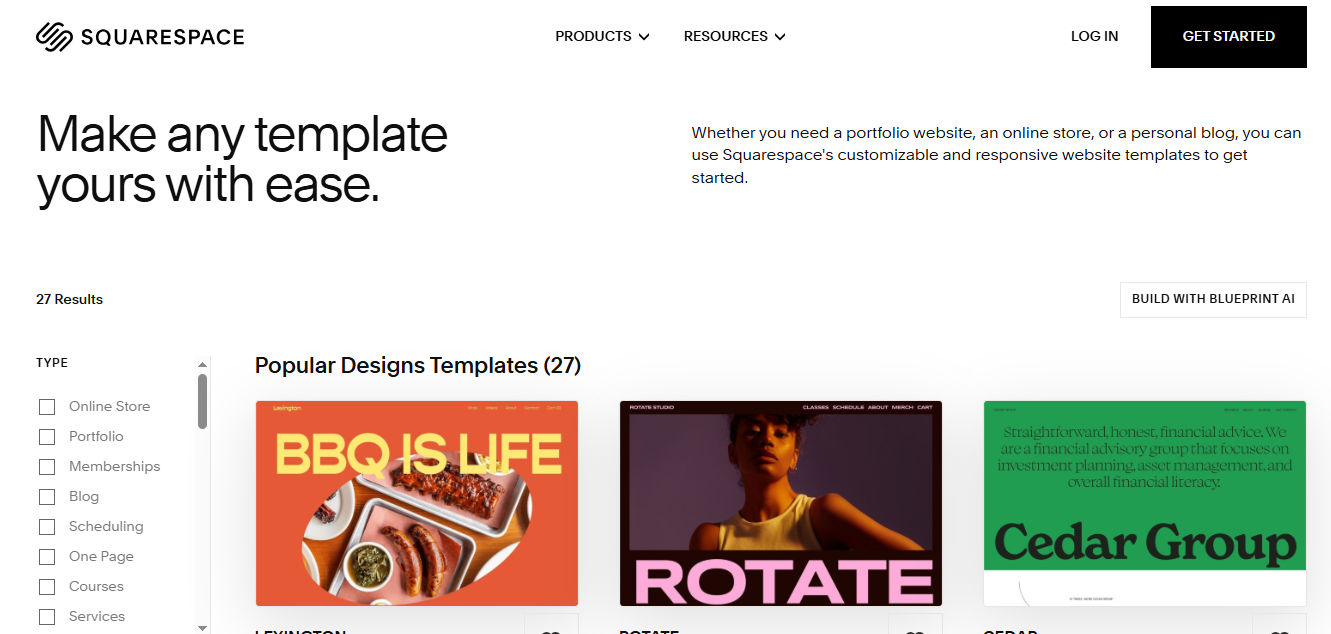
Use this ecommerce platform if: You want your store to feel like your brand from the first click.
7. Sellfy
Sellfy is simple and fast which is very suitable if you are creator and selling downloads, subscriptions, or merch. You won’t get deep product features, but you will get a stress-free setup.
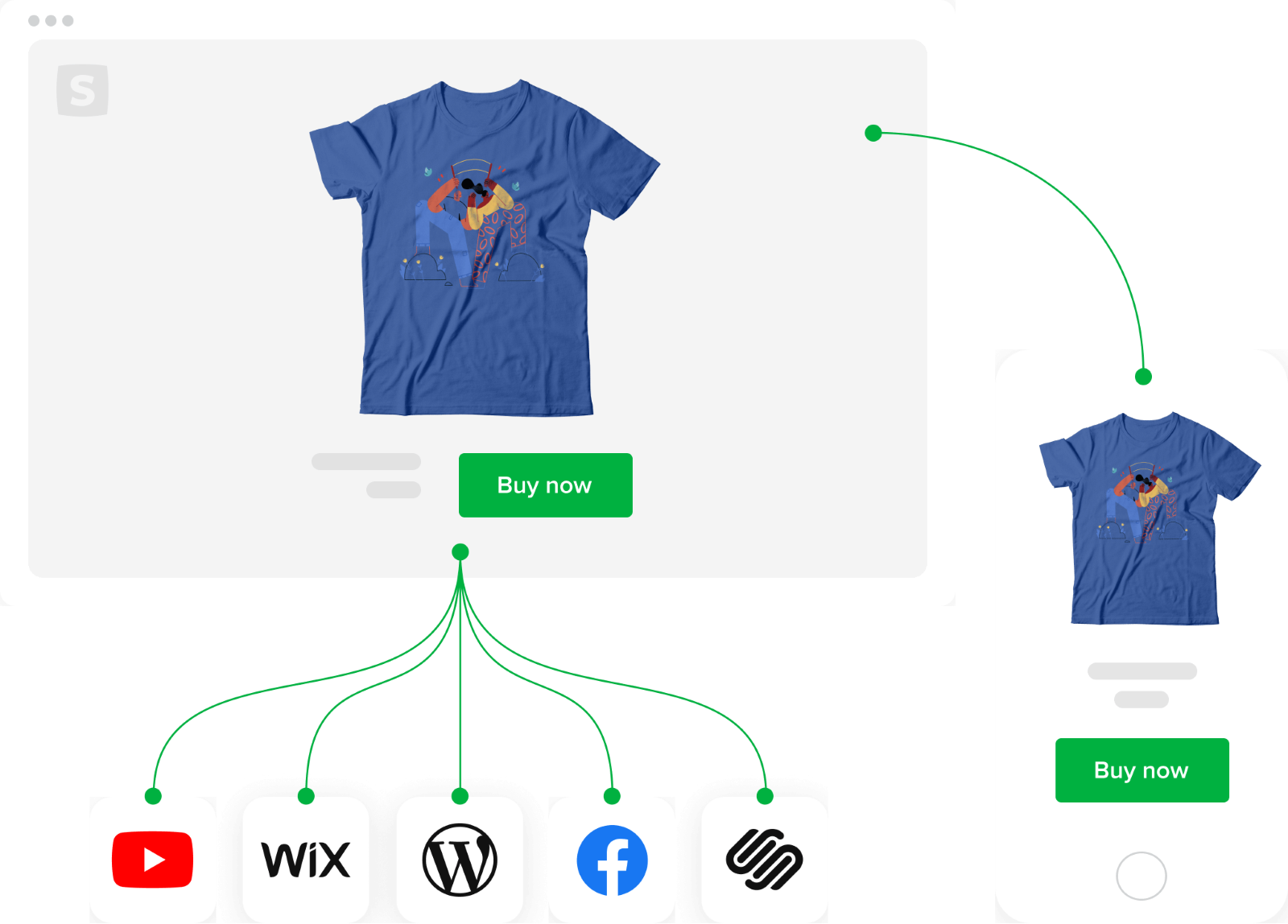
Use it if: You’re a YouTuber, coach, or creative looking to sell digital goods without the clutter.
So, Which One’s “The Best”?
No Idea. There’s no universal answer.
Just the one that matches your product, your audience, and how you want to grow.
But here’s something to keep in mind. Brands that personalize and optimize for mobile (which most of these platforms support) see 10 – 15% higher conversions on average.
So yes, ecommerce platforms matter. But clarity matters more. Choose the one that helps you sell simply, stay focused, and grow without getting stuck in the tech.
Written by Nikhil Verma
Technical Content Specialist at OrangeMantra
With a background in technical writing and a passion for storytelling, Nikhil Verma transforms complex tech concepts into content that’s simple, engaging, and practical.
Over the past 4 years, he has helped SaaS companies, e-commerce agencies, and digital product teams with his human-centered content.
 :
https://www.pinterest.com/orangemantra/
:
https://www.pinterest.com/orangemantra/